


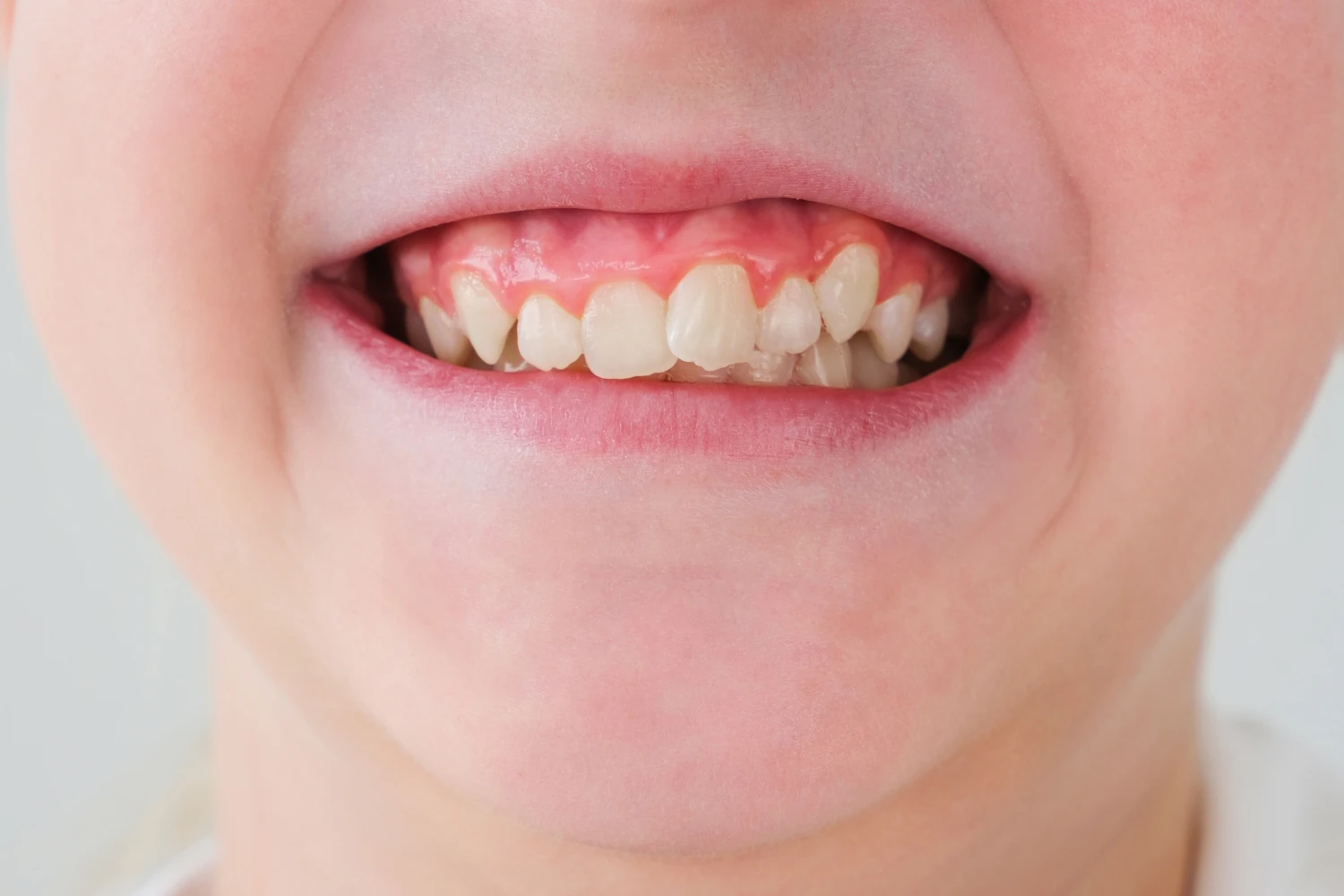
According to a systematic review published in PubMed, around 56% of children and teenagers worldwide have some form of misaligned teeth. In Europe, that figure is even higher, at around 72%.
Whether you are unhappy with how your smile looks, finding it hard to keep your teeth clean, or dealing with jaw discomfort, knowing how to fix crooked teeth starts with understanding what caused them. The good news is that modern orthodontic treatments are more discreet, more comfortable, and more affordable than ever before.
There is a solution for every age and lifestyle, and in this article, we’ll cover everything you need to know about orthodontic treatments for crooked teeth.
What Causes Crooked Teeth?
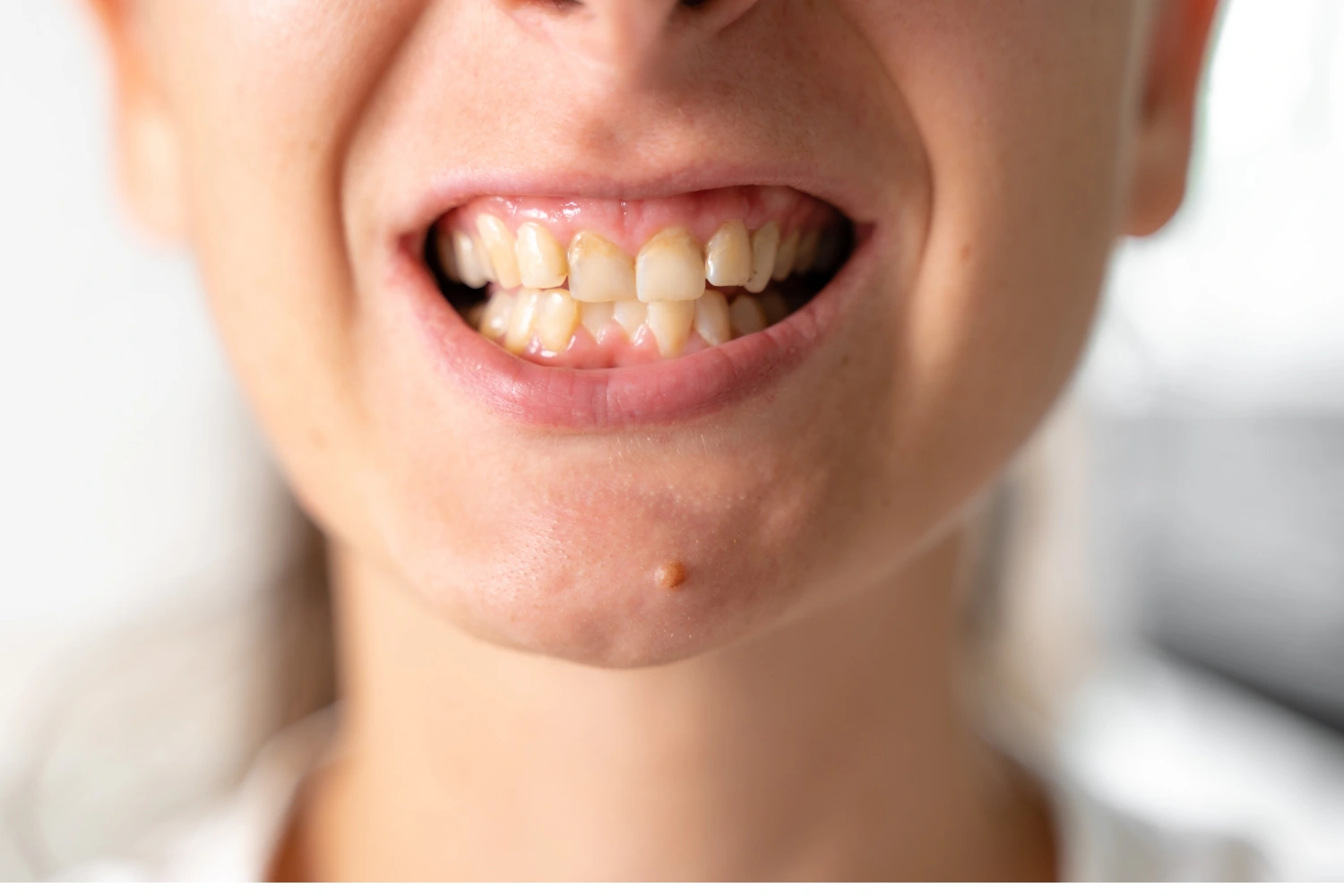
Teeth rarely become crooked for just one reason. Usually, it is a mix of things you are born with and things that develop over time. Here are the most common causes.
Genetics
Your genes play a big part in the size of your jaw and the size of your teeth, and these two do not always match up. Over thousands of years, the human jaw has been getting smaller, but our teeth have not shrunk to keep up.
If your parents or grandparents had crowded or overlapping teeth, there is a good chance you will see a similar pattern in your own mouth.
Thumb Sucking and Pacifier Use in Childhood
Prolonged thumb sucking puts steady outward pressure on the gums and developing teeth. Over time, this can push teeth forward and stop the palate (the roof of the mouth) from forming properly.
The result is often a gap between the upper and lower front teeth when the mouth is closed, or back teeth on one side sitting inside the lower teeth instead of outside them. Pacifiers can have a similar but milder effect. Gently discouraging thumb sucking from an early age can make a real difference to how your child's teeth come through.
Early Loss of Baby Teeth
Baby teeth do more than just hold space. They guide permanent teeth into the right position. When a baby tooth falls out too early due to decay, injury, or infection, the neighbouring teeth start to drift into the gap.
By the time the permanent tooth is ready to come through, there may not be enough room, and it erupts at an awkward angle. This is largely preventable with regular dental check-ups and good brushing habits from a young age.
Jaw Development Problems
Sometimes the upper and lower jaws grow at different rates or to different sizes, and this creates bite problems like overbites, underbites, and crossbites. Breathing through the mouth over a long period, often caused by enlarged adenoids or ongoing nasal congestion, can also play a role.
When a child breathes through their mouth rather than their nose, the lower jaw tends to shift downward and backward, the palate narrows, and an open bite can develop. Tongue thrust habits, where the tongue pushes against the front teeth during swallowing, can also gradually push those teeth out of alignment.
Poor Dental Care
When tooth decay goes untreated, it can lead to tooth loss. Once a tooth is gone, the teeth on either side start to shift into the gap, and the whole arch slowly changes shape. Gum disease works in a similar way: it weakens the bone and soft tissue that hold teeth in place, allowing them to drift. Adults who go long stretches without seeing a dentist can find that their teeth have been moving without them noticing.
What are the Types of Crooked Teeth?
Crooked teeth appear in a few different ways. Knowing which type you have helps your orthodontist choose the right approach.
- Rotation is when a tooth is twisted on its axis, sitting at an angle rather than facing straight ahead. It can affect one tooth or several.
- Crowding is the most common type. It happens when there is not enough room in the dental arch for all your teeth to sit side by side, so they overlap and bunch together. According to a review published in PMC, crowding affects up to 84% of populations studied.
- Spacing is the opposite. Gaps appear between teeth, usually because of missing teeth, smaller-than-average teeth, or a mismatch between jaw size and tooth size. Spacing affects up to 60% of populations studied worldwide.
- Crossbite is when one or more upper teeth bite inside the lower teeth instead of outside them. It can happen at the front or the back of the mouth. According to a systematic review in PMC, posterior crossbite affects around 9% of people globally.
How to Fix Crooked Teeth with Orthodontic and Surgical Methods
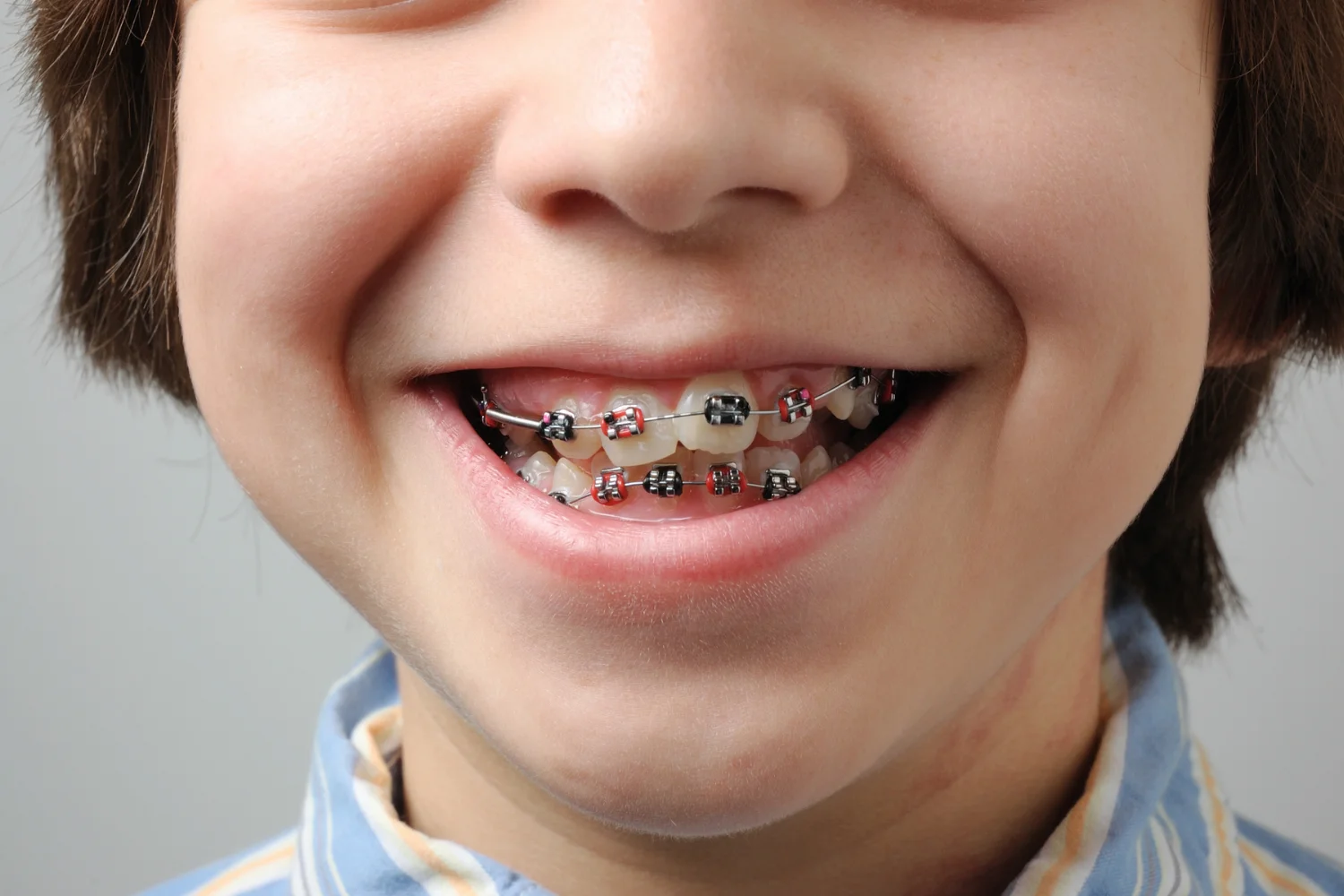
The right treatment depends on how severe the misalignment is, what type of problem you have, your age, and your lifestyle. Orthodontic treatments range from near-invisible aligners to fixed braces to jaw surgery, so there is an option for everyone.
Braces
Braces are still the most widely used treatment for moderate to severe misalignment. They use brackets fixed to your teeth and a thin wire that applies steady, gentle pressure to gradually move each tooth into the right position. The results of braces include straighter teeth, a more balanced bite, and improved jaw alignment, giving both functional and aesthetic benefits that last.
You have three main options. Metal braces are the most common and most effective for complex cases. If you don’t like the look of metal braces, you can try ceramic braces, which work the same way but use tooth-coloured brackets that blend in more easily. Lingual braces are placed on the back surfaces of your teeth, making them completely invisible when you smile or speak.
Treatment with braces typically takes 18 to 24 months, depending on how much movement is needed. The cost of braces varies among types. For example, at Zenta, metal braces start from £2,595, ceramic braces from £2,995, and lingual braces from £3,995. You can see a full breakdown on the Zental orthodontic fees page.
Invisalign
If you prefer something removable, Invisalign might be a good fit. These are custom-made clear plastic aligners that sit snugly over your teeth and are almost invisible when worn. You wear each set for about two weeks, and each one shifts your teeth a little closer to where they need to be. You need to wear them for 20 to 22 hours a day, but you can take them out for eating, drinking anything other than water, and brushing your teeth.
Invisalign works well for mild to moderate misalignment. For more complex cases, fixed braces are usually a better choice. For children, we recommend braces because their teeth and jaws are still developing, so braces for children can guide growth and correct the bite more effectively. Treatment time ranges from about 6 months for minor corrections to 18 months for more involved cases.
Surgical Options
For severe bite problems that braces or aligners cannot fully correct on their own, jaw surgery may be recommended. This involves repositioning the upper jaw, the lower jaw, or both to bring them into proper alignment. It is almost always combined with a course of braces before and after surgery to fine-tune the position of the teeth.
Jaw surgery is for cases where the bones of the jaw themselves are misaligned, not just the teeth. Recovery takes several weeks, but the results are permanent, and the improvement to both function and appearance can be significant.
Is It Possible to Treat Crooked Teeth in Adults?
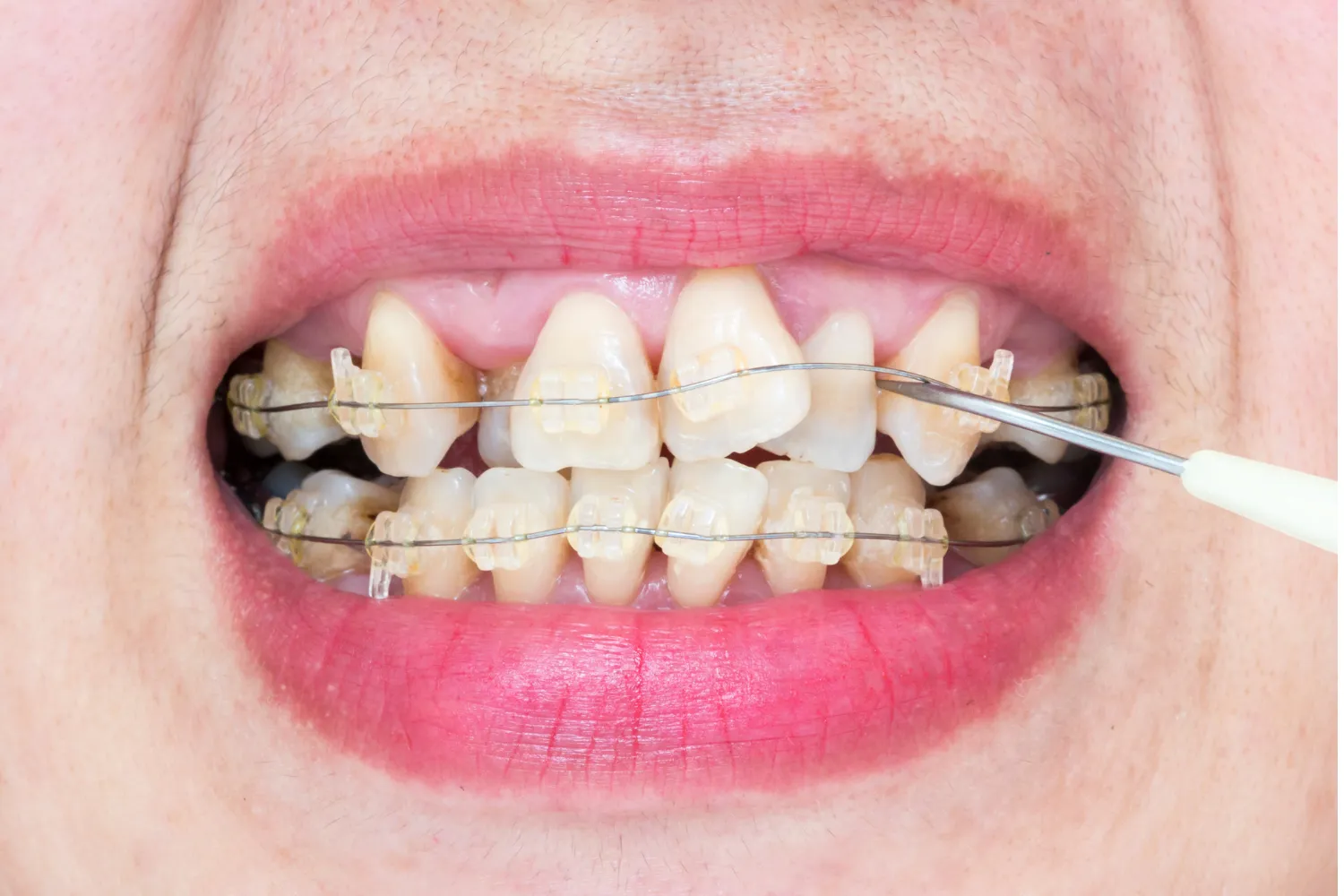
Yes, absolutely. Your teeth can be moved at any age as long as your gums and jawbone are healthy. Adults' teeth continue to shift throughout life, influenced by wisdom teeth, natural bone changes, tooth loss, and even grinding. So if your teeth were straight in your twenties but have started to crowd in your thirties or forties, you are not alone, and it is not too late.
Discreet options like Invisalign and lingual braces make adult treatment more practical than ever.
Problems That Crooked Teeth Can Cause
Many people think of crooked teeth as a cosmetic issue, and that is a perfectly valid reason to seek treatment. But misaligned teeth can also cause a range of health problems worth knowing about.
Gum Disease and Tooth Decay
When teeth overlap or crowd together, they create tight spaces where plaque builds up quickly, and your toothbrush cannot reach properly. Over time, this leads to inflamed, bleeding gums. If left untreated, it can progress to periodontitis, a more serious condition where the bone and tissue supporting your teeth begin to break down.
Gum disease has been linked to cardiovascular problems, diabetes complications, and respiratory infections. Regular dental hygiene appointments can help manage plaque in hard-to-reach areas.
Jaw Pain and TMJ Problems
When your teeth do not meet evenly, your jaw has to work harder to compensate. This puts uneven pressure on the temporomandibular joint, the hinge that connects your lower jaw to your skull.
Symptoms can include jaw pain, headaches, earaches, clicking sounds when you open your mouth, and, in severe cases, the jaw can temporarily lock. Straightening your teeth helps spread biting forces more evenly, which can relieve or prevent these symptoms.
Early Tooth Wear and Damage
Teeth sitting at odd angles take on more than their fair share of biting force. Over the years, this shows up as thinning enamel, flattened chewing surfaces, and chipped edges. Your teeth become more sensitive and more vulnerable, and some may eventually need fillings, crowns, or other restorative work that could have been avoided with earlier orthodontic treatment.
Difficulty Chewing
Your teeth are designed to work together, each playing a specific role in breaking food down before it reaches your stomach. When they are misaligned, this becomes less efficient. Food is not chewed as thoroughly, which means your digestive system has to work harder. Your jaw muscles also tire more quickly, adding to the discomfort.
Speech Problems
Certain sounds rely on the tongue making precise contact with specific teeth. When those teeth are twisted, crowded, or unevenly spaced, it can affect how you speak. Lisps and difficulty with certain consonants are common. This is more noticeable in children, but adults can be affected too. Many patients find that their speech improves naturally once their teeth are aligned.
Bad Breath
Bacteria thrive in the hard-to-reach crevices that crooked teeth create. When you cannot clean those areas properly, chronic bad breath can develop. Those same bacteria can also enter your bloodstream through inflamed gum tissue, which has been linked to broader health risks.
Ready for a Straighter, Healthier Smile?
Crooked teeth have many causes and can affect your health in ways you might not expect. Treatment is available at any age; it has never been more discreet, and the results can genuinely change how you feel and how your body works day to day.
At Zental, we take a calm, patient-centred approach to every consultation. Our clinics across London and Milton Keynes are designed to feel more like a wellness space than a dental surgery, with sedation options, aromatherapy, and a team that genuinely cares about your comfort. Book your consultation with Zental and let us put together a plan that works for you.
FAQ
What are the best treatments for crooked teeth?
The most effective orthodontic treatments are braces and Invisalign. Braces, whether metal, ceramic, or lingual, are best for moderate to severe misalignment and rotated teeth. Invisalign works well for mild to moderate cases and is popular with adults who want a discreet option. For severe jaw problems, surgical correction may be recommended. Your orthodontist will assess your teeth and suggest the best approach for you.
Can I fix crooked teeth without braces?
Yes, in many mild cases. Invisalign and other clear aligner systems can straighten your teeth without any fixed brackets or wires. If the issue is purely cosmetic and very minor, composite bonding or veneers may improve the appearance of your smile, though they do not correct the underlying alignment of your teeth.
How long does it take to fix crooked teeth?
It depends on the severity and the treatment you choose. Minor corrections with short-course aligners can take as little as 6 months. More complex cases treated with fixed braces may take 18 to 24 months or longer. Your orthodontist will give you a realistic timeline at your initial consultation.
Am I too old to fix my crooked teeth?
Not at all. Your teeth can be moved orthodontically at any age, provided your gums and jawbone are healthy. Many adults complete treatment successfully in their 40s, 50s, and beyond. Options like Invisalign and lingual braces are especially popular with older patients who want a discreet approach.
Are crooked teeth a health risk?
Yes, and the risks go beyond appearance. Misaligned teeth make it harder to brush and floss properly, which raises the risk of gum disease and tooth decay. They can also cause TMJ problems, uneven tooth wear, difficulty chewing, speech issues, and bad breath. Periodontal disease caused by poor alignment has been linked to heart disease and diabetes. Straightening your teeth is both a cosmetic and a health investment.
How much does it cost to fix crooked teeth?
In the UK, private orthodontic treatment starts from around £1,500 for minor Invisalign cases and goes up to £3,995 or more for lingual braces. Full Invisalign treatment for more complex cases can reach £5,000. At Zental, we offer payment plans including 0% finance options.


