


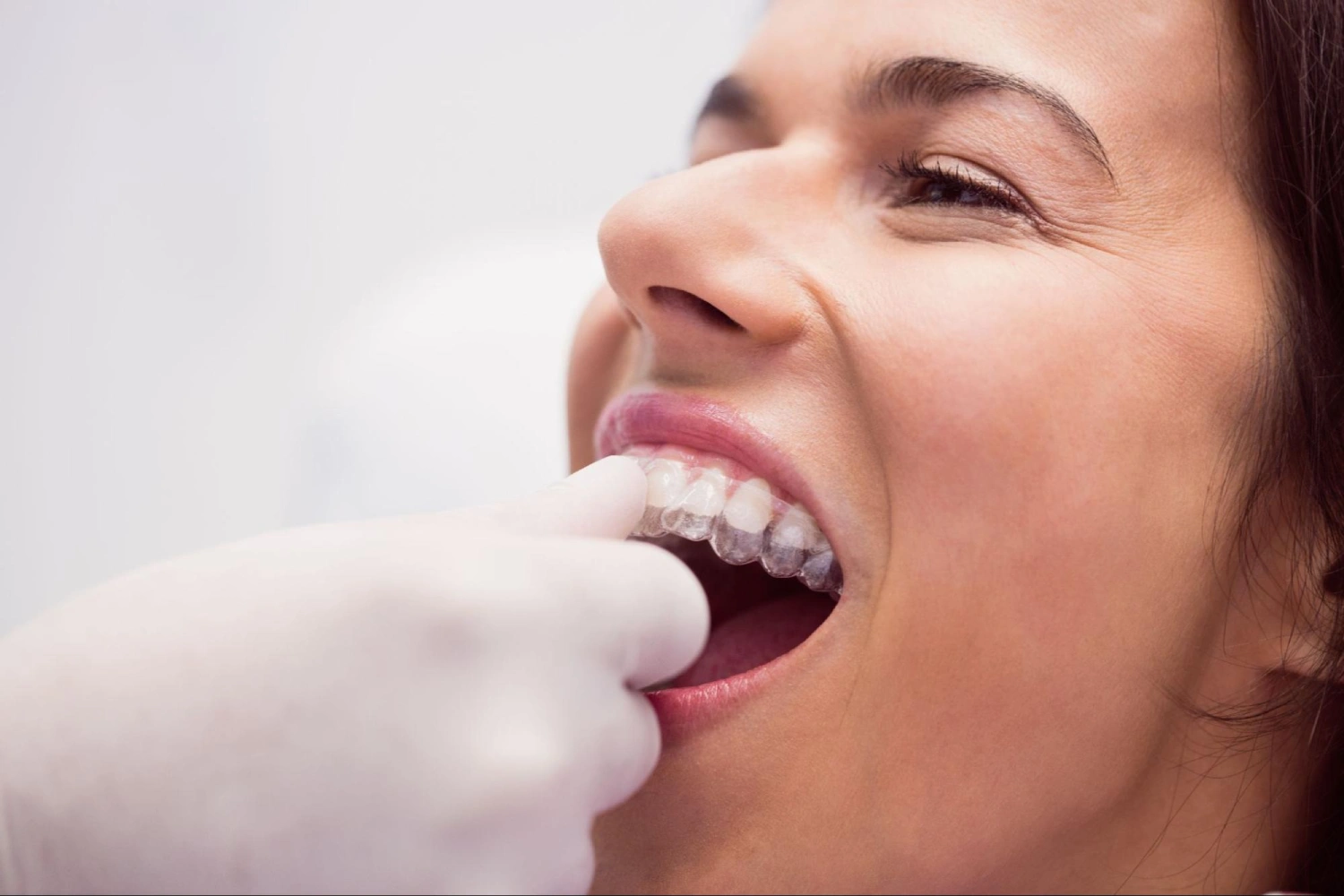
If you are thinking about straightening your teeth, you have probably heard about Invisalign. Maybe a friend mentioned it, or you saw an online ad. Many people wonder if it is really worth the cost.
Invisalign uses clear, removable plastic aligners to gently move your teeth. There are no metal braces or wires, which makes it more comfortable and easier to manage day to day.
For most people with mild to moderate alignment issues, Invisalign can be a good choice. In the next sections, we will explain the benefits, drawbacks, costs, and what results you can expect.
What Are the Main Benefits of Invisalign?
There are a few things that make Invisalign genuinely different from traditional braces, and they tend to matter a lot in daily life.
Nearly Invisible Appearance Makes Treatment Discreet
This is the one most people notice first. The aligners are made from a transparent plastic that sits snugly over your teeth, and in normal conversation, most people simply won't spot them. That matters if you're in client-facing meetings, attending social events, or just don't love the idea of a mouth full of metal in your wedding photos. The clear material blends with your natural teeth so well that treatment stays between you and your dentist.
Remove Aligners for Eating and Easier Oral Hygiene
Unlike braces, you can take out the aligners when you eat. This means no restrictions on food and easier brushing and flossing. Studies show this can improve gum health by reducing bacteria buildup. The catch is that you must wear the aligners 20 to 22 hours a day. You need to brush before putting them back in, and snacking becomes less convenient.
More Comfortable Than Traditional Metal Braces
The smooth plastic doesn’t have sharp edges or wires that poke your gums or cheeks. You may feel some pressure when changing to a new set of aligners, but most people describe it as gentle and short-lived.
Spend Less Time at the Dentist’s
Invisalign also needs fewer check-ups. Visits usually happen every 10 to 12 weeks and take about 10 minutes, compared with braces adjustments every 6 to 8 weeks, lasting 20 to 40 minutes. For busy people, this saves time and hassle.
What Are the Main Disadvantages of Invisalign?
No treatment is perfect, and it is important to be honest about the drawbacks as well as the benefits.
Higher Cost Compared to Traditional Braces
In the UK, Invisalign usually costs between £1,500 and £5,500. The average price is around £3,000 to £3,500, depending on how complex your case is and how long treatment takes. Mild cases cost less, while more complex cases cost more.
Many practices, including ours, offer 0% finance spread over 12 to 24 months, which makes the monthly commitment more manageable.
Requires Discipline and Daily Commitment
Invisalign only works if you wear the aligners as instructed. They need to be worn 20 to 22 hours a day. Skipping hours can extend your treatment by months. About 1 in 20 patients switch to fixed braces because they could not follow the schedule. If you think it will be hard to stay consistent, metal or ceramic braces might be more reliable since they work all the time without needing effort from you.
Not the Right Fit for Every Orthodontic Case
Invisalign works best for mild to moderate alignment issues, such as small gaps, minor crowding, and small bite problems. But according to a systematic review published in PMC, it's less effective for severe crowding, complex rotations (particularly canines and premolars), extraction cases, and major bite corrections. If your case falls into that more complex category, traditional braces give your dentist more precise control. Your consultation is where we figure out which approach truly fits your needs.
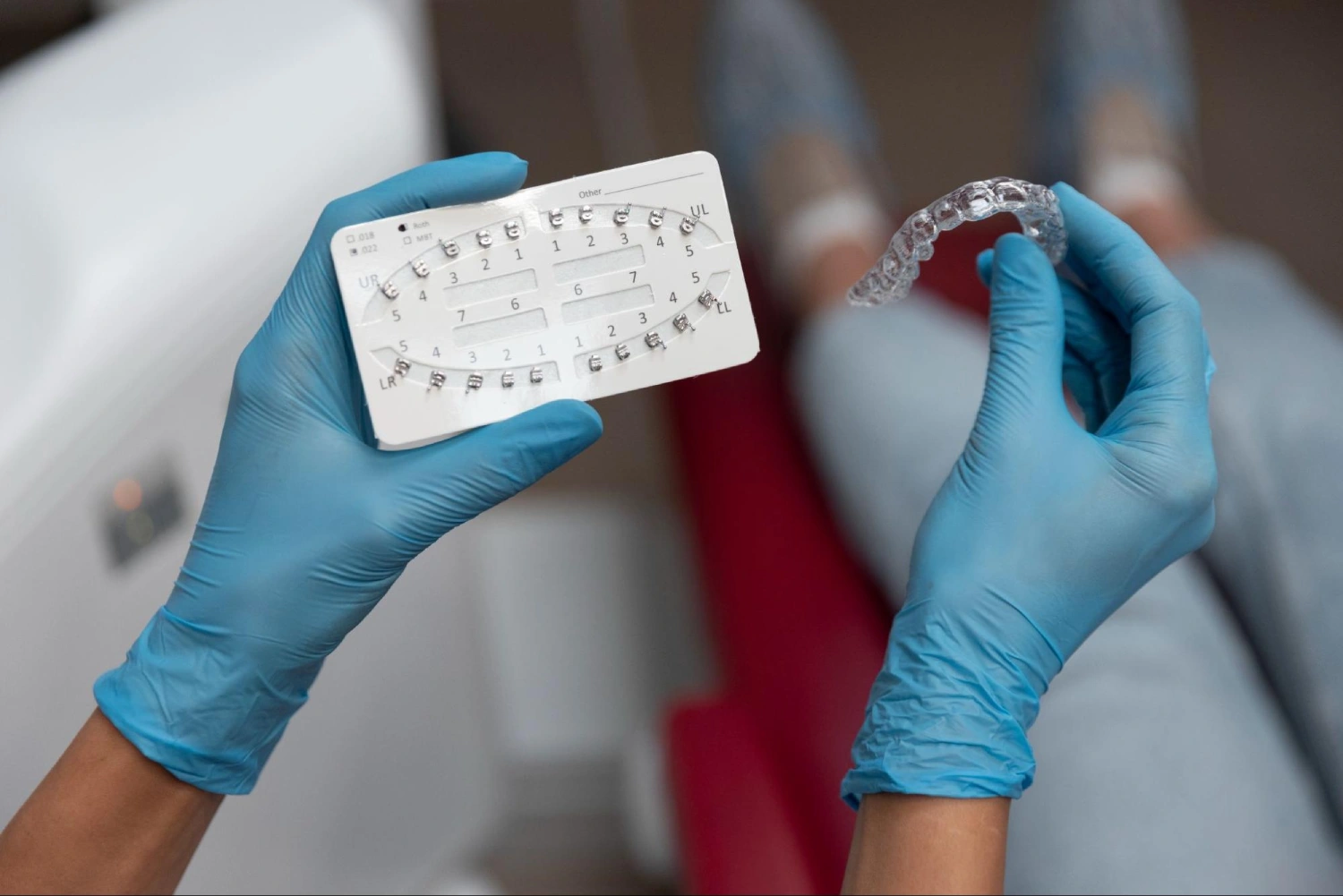
How Much Does Invisalign Cost, and Is It Worth the Investment?
Asking whether Invisalign is worth it is about more than just the price; it’s about what you are getting for your money.
Costs of Invisalign are more on the expensive side, compared to traditional metal braces. In the UK, prices range from £1,500 to £5,500, with the average around £3,244. For comparison, metal braces usually cost between £2,000 and £4,000.
Here's a quick sense of how pricing breaks down by treatment type:
- Invisalign i7 (Express): £1,500 to £2,100 for minor corrections over 3 to 6 months
- Invisalign Lite: £2,500 to £3,800 for mild to moderate cases over 6 to 8 months
- Invisalign Full: £3,500 to £4,800 for moderate cases over 6 to 18 months
- Invisalign Comprehensive: £4,250 to £5,500 for complex cases over 18 to 24 months
So is it worth it? For many adults, the answer is yes. You are paying for a discreet treatment that fits around your life, with fewer appointments and no food restrictions. You are also investing in long-term dental health, as straighter teeth are easier to clean and less likely to wear unevenly.
If your budget is tight or your case is complex, traditional braces may offer better value. For younger patients, braces for children are often more suitable because they do not rely on daily discipline. In the end, it is about choosing the option that makes sense for your teeth, your lifestyle, and your finances.
If your budget is tighter or your case is more complex, traditional braces may give better value. There is no shame in that. It is simply about choosing the treatment that suits your situation best.
How Long Does Treatment Take, and Is the Time Commitment Worthwhile?
Most people complete Invisalign treatment in 12 to 18 months. Mild cases can finish in 6 to 9 months, while more complex cases may take 18 to 24 months. Studies show that Invisalign is often quicker than traditional braces.
Small changes can appear within 2 to 8 weeks, and friends may notice improvements after 3 to 6 months. You can also see real before and after results of Invisalign to get an idea of the progress. The key to staying on schedule is wearing the aligners as instructed.
After active treatment, you will move into the retention phase, wearing a retainer full-time for about 6 months, then nightly to keep your teeth in place.
How Comfortable Is Invisalign, and Is It Worth It Compared to Metal Braces
Both Invisalign and braces move teeth, so some soreness is normal. The difference is that Invisalign avoids irritation from metal hardware. There are no brackets scraping your cheeks, no wires poking your gums, and no emergency visits for broken parts.
When you switch to a new aligner tray every one to two weeks, you may feel mild pressure for a couple of days. Most patients manage this easily with over-the-counter pain relief.
Invisalign also offers lifestyle comfort. By this, we mean that you can eat freely, brush and floss normally, speak without adjustment, and keep a natural appearance throughout treatment. Braces require avoiding certain foods, extra cleaning, and can make some people feel self-conscious. For busy adults, this convenience is often worth the higher cost.
Is Invisalign Worth It for Long-Term Results?
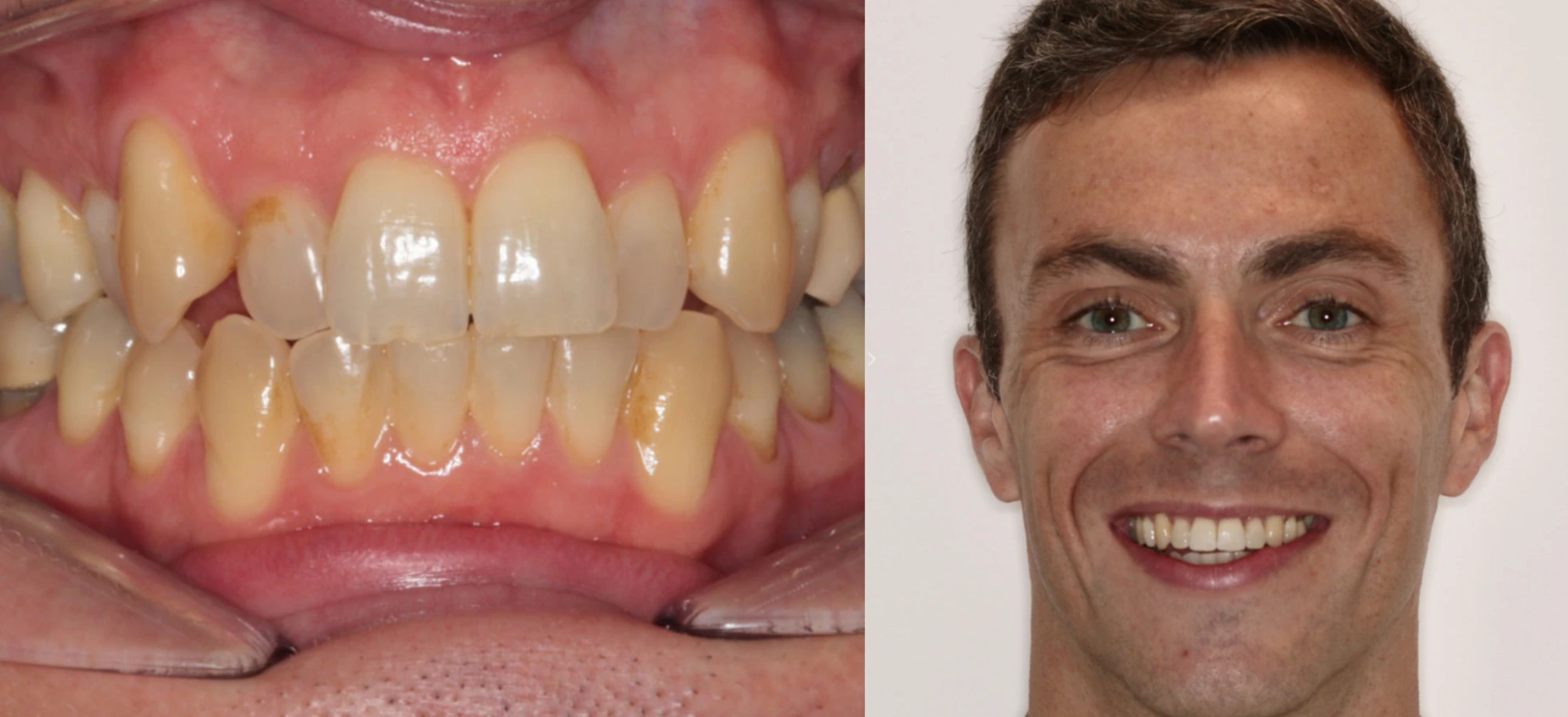
We know you want to know if your teeth will stay straight. The good news is that Invisalign works very well. It fixes teeth in about 88% of cases, which is almost the same as traditional braces. Studies that follow people for five years show that both treatments keep teeth straight, and many of our patients say they are happy with their results.
Teeth can move if you do not wear your retainer, not because of the treatment. About 12% of Invisalign patients and 10% of braces patients notice some movement over time. Other things like gum problems, grinding your teeth, missing teeth, or getting older can also cause small changes.
If you brush and floss well, go to regular dental check-ups, and wear your retainer as we tell you, your teeth are more likely to stay straight for many years.
So, Is Invisalign Worth It?
For many adults in the UK with mild to moderate alignment concerns, yes, genuinely. You're getting a discreet, comfortable treatment with proven effectiveness, fewer appointments, no food restrictions, and results that last when you look after them.
Invisalign is likely worth it if you:
- Have mild to moderate crowding, gaps, or bite concerns
- Value an invisible look during treatment
- Can commit to wearing aligners 20 to 22 hours daily
- Want the flexibility of a removable system
- Have the budget or access to monthly payment plans
Traditional braces may serve you better if you:
- Have severe or complex orthodontic needs
- Prefer a "set it and forget it" approach
- Are working within a tighter budget
If you want to see whether Invisalign is the right choice for you can book a consultation at Zental. We will give you an honest answer and help you find the best treatment for your smile and your life.
FAQ
Is Invisalign worth the higher cost compared to traditional braces?
For most adults who value discretion and comfort, yes. The UK average of around £3,244 is higher than braces at £2,000 to £4,000, but you're paying for invisible treatment, no dietary restrictions, easier oral hygiene, and fewer time-consuming appointments. Many practices offer 0% finance to spread the cost. If budget is your top priority and your case is complex, braces may give you more for your money. Compare all options in our Invisalign vs. braces guide.
How long does it take to see results with Invisalign? Is it worth the wait?
Most people notice small changes in 2 to 8 weeks, and friends usually see improvements after 3 to 6 months. Full treatment usually takes 12 to 18 months, which is similar to or faster than braces. Seeing gradual progress helps keep motivation up.
Will I need to wear a retainer after Invisalign treatment? Is it worth the extra step?
Yes, all orthodontic treatments need retainers. You will wear a retainer full-time for the first 6 to 12 months, then just at night. Modern retainers are clear and comfortable, and easy to wear before bed. Not wearing them can let teeth move back, so retainers are an important final step.
Is Invisalign worth it for adults over 40 or 50?
Absolutely. There is no age limit for straightening teeth. Invisalign is popular with older adults who want results without visible metal. Teeth may move a little slower, but the final results are just as strong. Your gums and bone support need to be healthy, which your dentist will check in your consultation. Learn more about adult braces at Zental.


