


Before people decide to go with Invisalign treatment, they want to see two things: that the treatment method is effective and that the clinic has real success stories of patients. They want to see real transformations and understand what kind of results are actually possible, not just idealised marketing images.
At our dental clinic, patients’ results range from subtle refinements to dramatic smile transformations. We’ve treated mild crowding, noticeable gaps, and more complex alignment concerns. The outcomes are both natural-looking and long-lasting when retainers are worn as advised. Every smile is different, and your result will depend on your starting point and how consistently you follow your treatment plan.
In this guide, we’ll walk you through what our patients have achieved, what influences results, and what you can realistically expect from your own Invisalign journey.
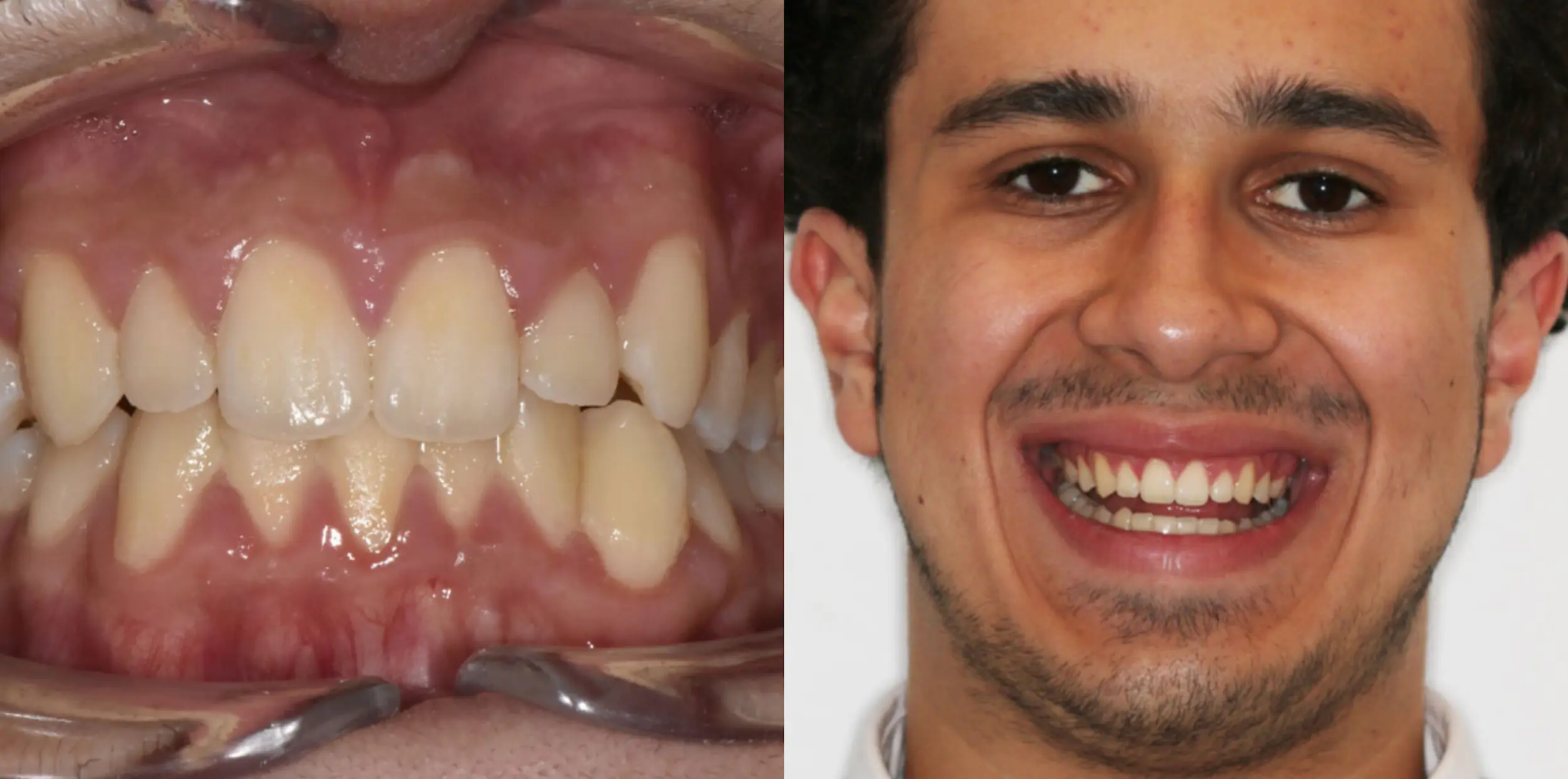
Before and After Pictures of How We Fixed Crowded Teeth with Invisalign
Crowding happens when there simply isn't enough room in your mouth for all your teeth. They overlap, twist, and jostle for position. Treatment involves carefully moving each tooth into its proper place, sometimes requiring extractions or arch expansion for severe cases.
A patient with crowding in both the upper and lower teeth was unhappy with how it affected his smile. For this case, we went with Invisalign treatment. As a result, we were able to straighten the teeth without any extractions, while also correcting the bite alignment. The end result was a healthier bite and a smile he feels confident showing again.
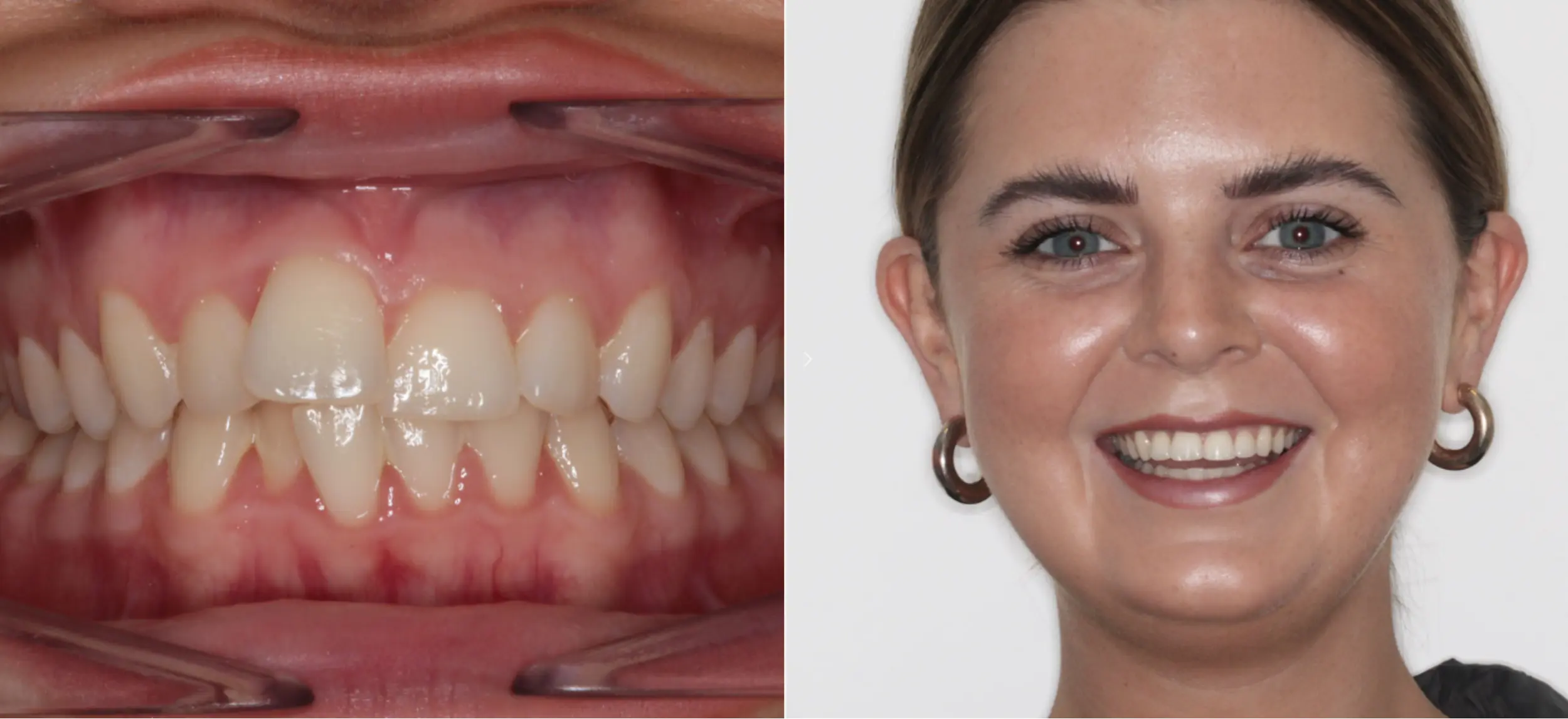
Before and After Pictures of How We Fixed an Upper Right Incisor with Invisalign
One of our patients was concerned about an upper right incisor that was out of line with the rest of her teeth. A short course of Invisalign corrected the crowding discreetly and comfortably, allowing her to continue her daily life and work with minimal disruption, and as a result, she was happy with it.
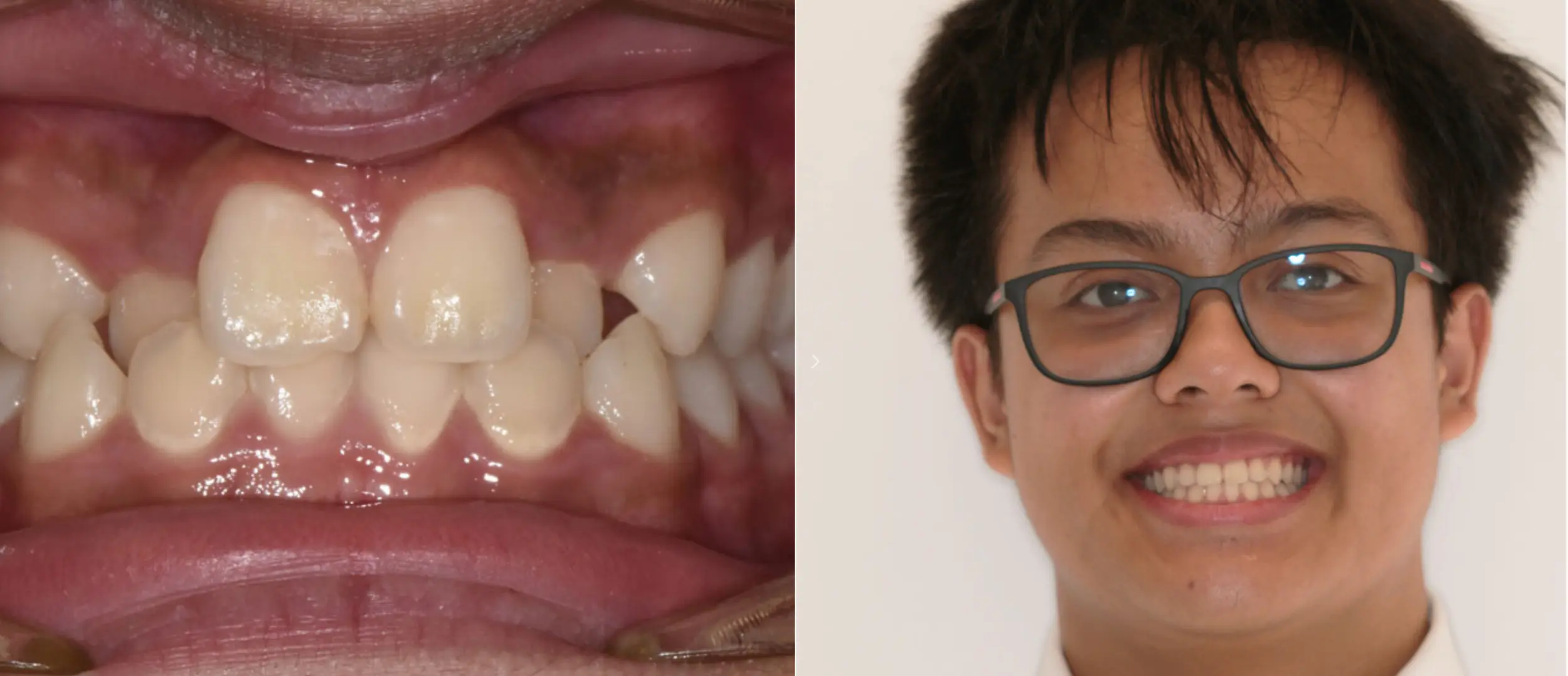
Before and After Pictures of How We Fixed a Cross Bite with Invisalign
A crossbite happens when the upper teeth sit behind the lower teeth instead of slightly overlapping them. This can affect both the appearance of your smile and how well your teeth function, often leading to uneven pressure and long-term wear.
A patient came to us concerned that his upper front teeth were biting behind the lower teeth, which was impacting his smile and chewing. We treated the case with Invisalign, successfully correcting the crossbite and improving overall bite balance. The result was a more stable, natural-looking smile, with the added benefit of being able to remove the aligners for eating and brushing throughout treatment.
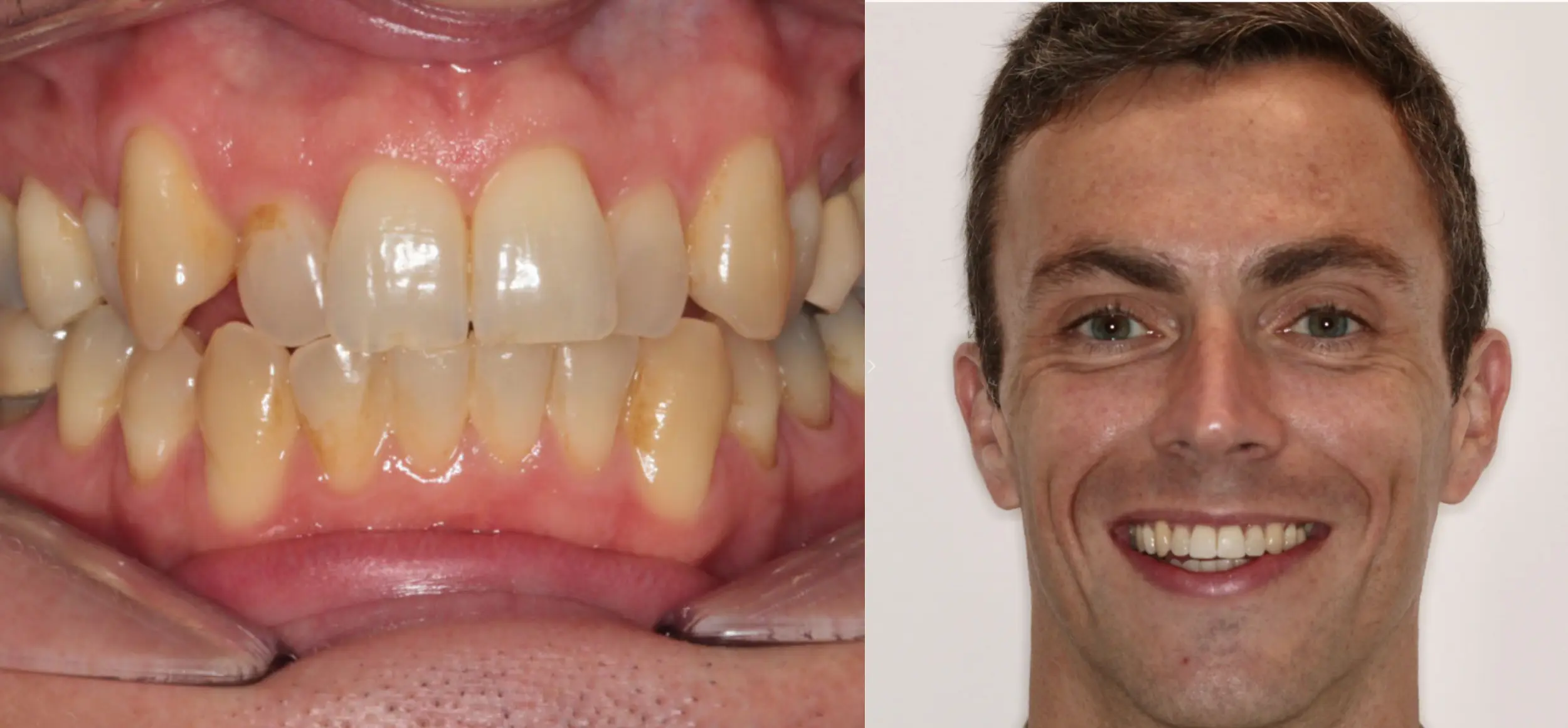
Before and After Pictures of How We Corrected Severe Crowding and Crossbite with Invisalign
Another successful case involved a patient with significant crowded teeth, protruding upper canines, and a crossbite that affected the appearance of his smile. Invisalign successfully corrected the crowding and bite, bringing the teeth into the right position and restoring his confidence when smiling.
When Will You Start Seeing Results of the Invisalign Treatment?
Invisalign works by gently moving your teeth over time using a series of clear, custom-made aligners. Each aligner moves your teeth a very small amount. You change to a new set every one to two weeks. The process is slow and controlled, which is what makes it safe and effective.
Most patients begin to notice small changes within 6 to 8 weeks. Some people may see slight movement after just two weeks, but this is usually only noticeable to them. Bigger, more visible changes often appear between 3 and 6 months, when your smile starts to look clearly different in the mirror and in photos.
For mild problems, such as small gaps or slight crowding, treatment can sometimes be finished in around six months. On average, Invisalign treatment takes about 12 to 18 months. More complex cases can take up to two years.
So how long will your treatment take? That depends on a few important factors.
What Factors Can Influence Your Invisalign Treatment Results?
Your results' longevity is also affected by some factors. Now we’ll talk about those factors individually, so you can get a better understanding of how to take better care of your teeth.
Your Age and Bone Density
Age can affect how quickly your teeth move, but it does not affect how good your final result will be. Teenagers often see slightly faster movement because their jaws are still developing and their bone is softer. Adults may notice that teeth move a little more slowly because adult bone is denser. However, the final results are just as effective.
There is no upper age limit for Invisalign. Many patients in their 60s and 70s have successful treatment. In fact, adults often wear their aligners more consistently than teenagers, which can help keep treatment on track.
Bone health is important. If there is significant bone loss or certain medications are involved, this may affect whether Invisalign is suitable for you. Your dentist will check this during your consultation and explain what is possible. Age is a factor, but it is not a barrier.
Severity of Your Case
The complexity of your case has the biggest impact on how long treatment takes and what Invisalign can achieve. Invisalign can treat many problems, including crowding, gaps, overbites, underbites, open bites, and crossbites.
Here is a simple guide to timelines:
- Minor corrections, such as small gaps or slight crowding, around 3 to 6 months
- Moderate cases, such as bite issues or more noticeable crowding: around 12 to 18 months
- Severe cases may need braces, extractions, or sometimes surgery before aligners are used
Some very complex problems cannot be corrected with clear aligners alone. In those cases, your dentist may suggest a combined approach for the best result.
One of the advantages of Invisalign is the 3D digital scan. This allows you to see a preview of your expected results before starting treatment.
Your Oral Health and Hygiene
Before starting Invisalign, your teeth and gums must be healthy. Any gum disease, decay, or infection needs to be treated first. Moving teeth in an unhealthy mouth can cause serious problems. The good news is that most issues can be treated, and many patients go on to have successful Invisalign afterwards.
During treatment, aligners can be removed. This makes brushing and flossing much easier compared to fixed braces. However, you must keep your teeth and aligners clean. Poor hygiene can trap bacteria under the aligners and increase the risk of gum problems and decay.
Brush after meals, floss daily, clean your aligners properly, and attend your regular dental hygiene treatments.
Consistency and Wear Time
This is the factor you control the most. Aligners need to be worn for 20 to 22 hours per day. They should only be removed for eating, drinking anything other than water, and brushing.
If you don’t wear them for long enough, treatment will slow down. Teeth can even move backwards slightly, which may extend your overall treatment time.
A helpful tip is to change to a new set of aligners before bed. This allows you to sleep through any initial pressure. Small silicone tools called chewies can also help seat the aligners properly, so they fit better.
Do not miss your review appointments. These visits allow your dentist to monitor progress and make small adjustments if needed.
Your Lifestyle Habits
Some daily habits can affect your results. Smoking can slow down healing in the gums and may stain or damage clear aligners. It also increases the risk of gum disease, which can complicate treatment.
Drinks such as coffee, tea, and red wine can stain aligners if you forget to remove them. Sugary and acidic drinks increase the risk of decay. Aligners should only be worn while drinking plain water.
Teeth grinding can also affect treatment. When grinding, you put pressure on the teeth and jaw, which may interfere with movement. These habits do not automatically prevent treatment, but being aware of them helps you achieve the best possible result.
Wrapping Up
Your Invisalign before and after results will depend on a mix of clinical factors and personal habits. Case complexity and bone density set the framework, and your commitment to wear time, hygiene, and lifestyle choices fills in the rest. Most patients achieve a straighter, more confident smile when they stay consistent.
The best way to understand what Invisalign can do for you is to book a consultation. A qualified Invisalign provider will assess your teeth, create a clear treatment plan, and show you a preview of your expected results.
At Zental, we offer that in a calm, supportive environment where you're never rushed and always heard. Book your consultation today, and let's start with the truth about your smile.
FAQ
How do you get the best results from Invisalign?
Wear your aligners for 20 to 22 hours per day and only remove them for eating and cleaning. Brush and floss before putting them back in, attend all review appointments, and switch trays exactly as instructed. After treatment, wear your retainer as prescribed to maintain your results.
What can disqualify you from wearing Invisalign?
Active gum disease, untreated decay, severe bone loss, or complex jaw misalignment may delay or prevent treatment. Some cases of extreme crowding or spacing may also require alternative orthodontic approaches. A professional consultation is the only way to confirm your suitability.
How long does it take to see visible results with Invisalign?
Most patients notice subtle changes within the first 4 to 8 weeks. Significant visible improvements typically appear around 3 to 6 months. Full treatment usually takes 12 to 18 months, depending on complexity.
How noticeable are the results from Invisalign treatment?
The aligners themselves are clear and generally go unnoticed in everyday conversations. Attachments are tooth-coloured and discreet. Once treatment is complete, the difference between before and after photos is often clearly visible.
Are Invisalign results permanent?
Results can last a lifetime if you wear your retainer as directed. Teeth naturally shift over time, so consistent retainer use is essential. Without it, movement can occur within the first year after treatment.
How do Invisalign results compare to other clear aligners on the market?
Invisalign is one of the most established clear aligner systems and is suitable for a wide range of cases. Unlike remote-only brands, it includes in-person professional monitoring. This oversight improves safety and outcomes, especially for moderate to complex cases.
Are the before-and-after photos of Invisalign patients on the Zental website real?
Yes, the photos feature real Zental patients who have completed treatment. Images are shared with the patient permission. They accurately represent genuine clinical outcomes.


