


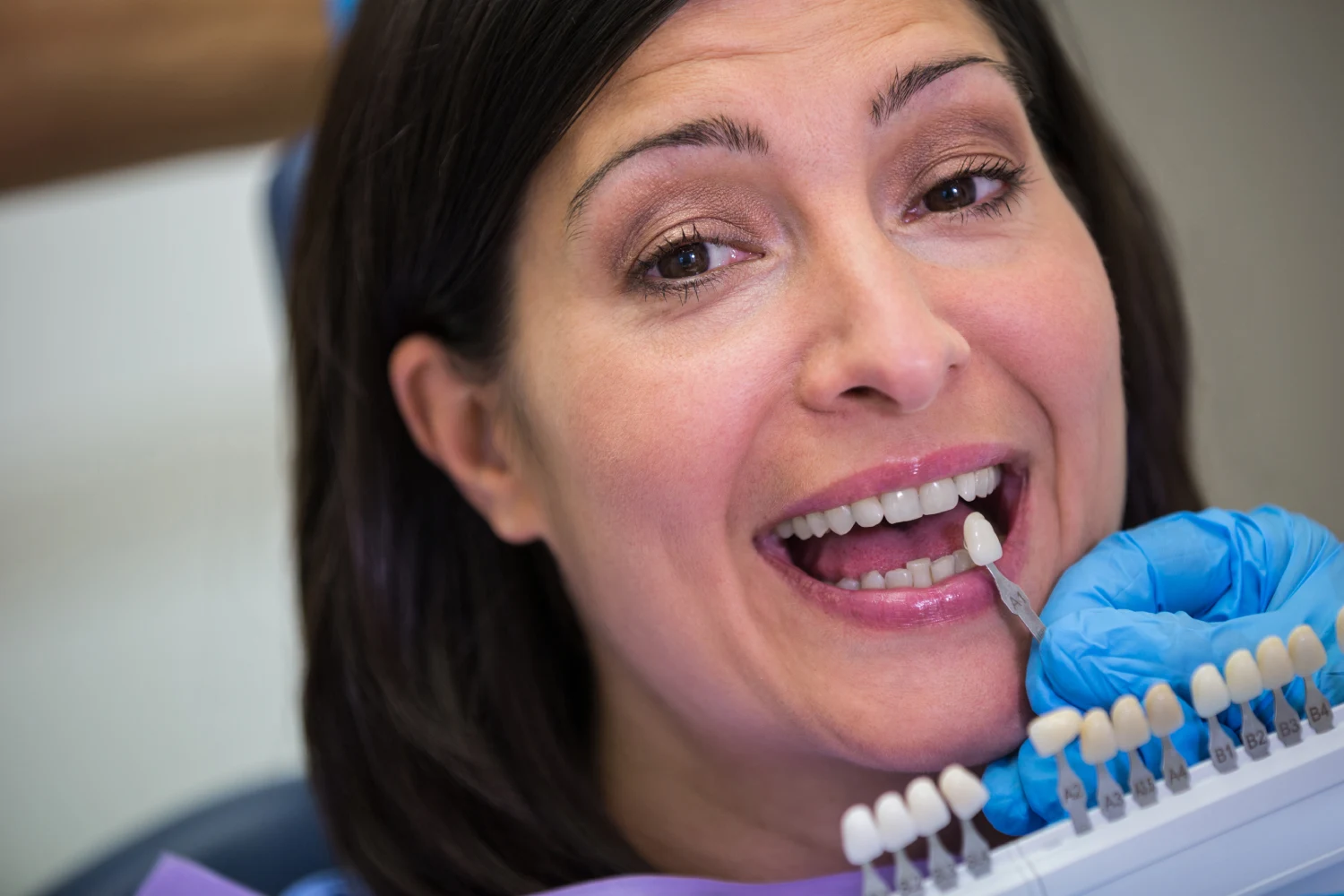
Millions of people in the UK and worldwide live with missing teeth, and many are not aware of the full range of treatment options available. According to the World Health Organisation, around 7% of adults aged 20 and over experience complete tooth loss, rising to about 23% in those aged 60 and above.
Dental implant treatment has also become one of the most trusted solutions worldwide, with the global market valued at around $5.11 billion in 2025.
At our dental clinic, we regularly treat a wide range of implant cases, from single missing teeth to full-mouth restorations, using different solutions depending on each patient’s needs.
With several different types of dental implants available, choosing the right one can feel overwhelming.
In this guide, we will explain the main types of dental implants, how they work, and who they are suitable for, so you can feel more confident discussing your options with your dentist.
What Are the Main Types of Dental Implants?
The best type of dental implant for you depends on several factors, including how much jawbone you have, how many teeth are missing, your overall health, and your treatment goals.
It also helps to understand how dental implants work, as this makes it easier to see why different types may be recommended in different situations. Your dentist or oral surgeon will guide you through the decision, but it’s always better to know the main options beforehand.
Single Tooth Implants
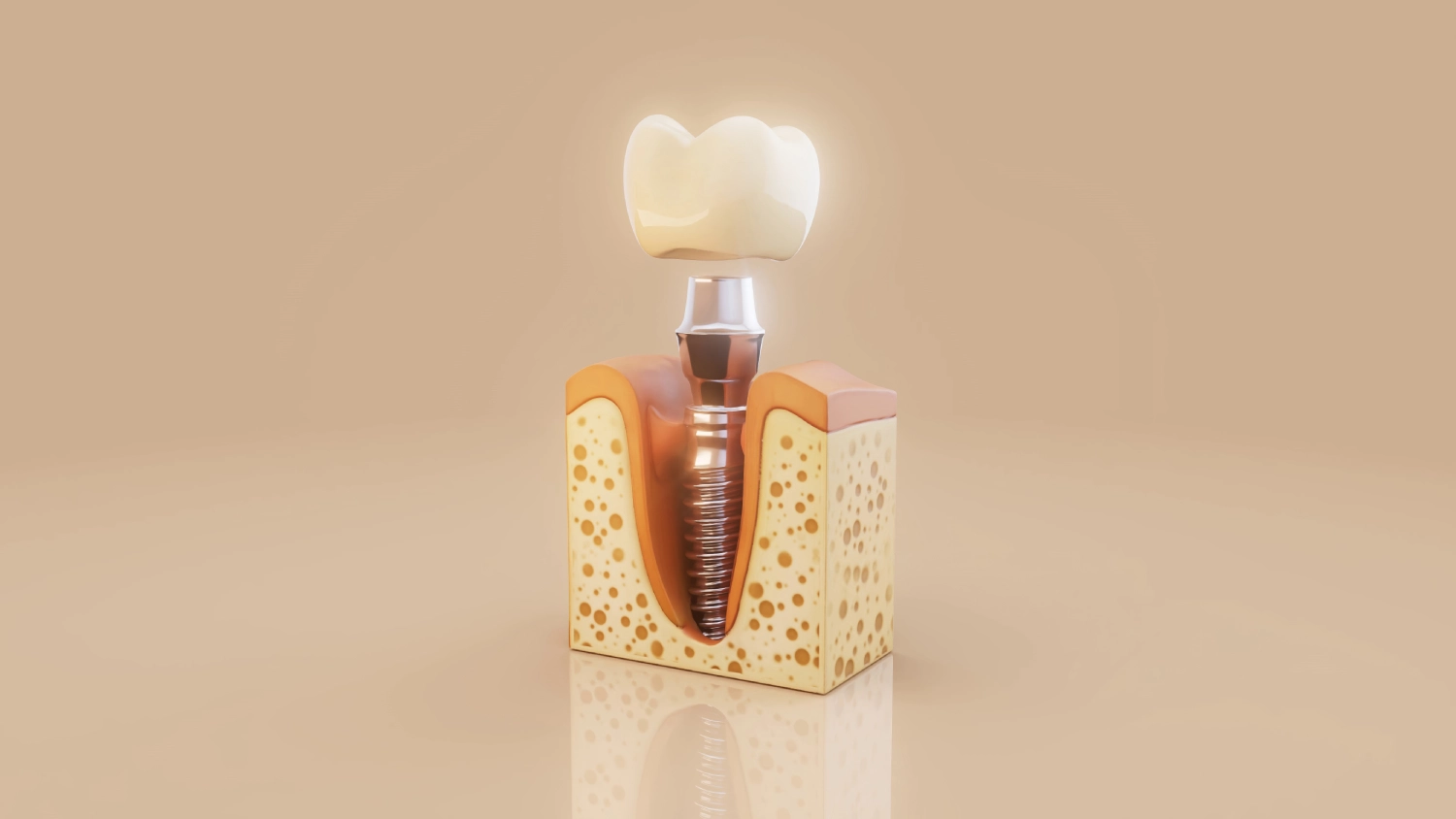
This is the most common and straightforward option. A titanium implant is placed into the jawbone, and once it has healed, a custom-made crown is fitted on top.
It looks and functions like a natural tooth, and importantly, it does not affect the neighbouring teeth. Unlike a traditional bridge, there is no need to file down healthy teeth.
Single implants are usually recommended if you are missing one tooth (or a few non-adjacent teeth) and have good bone support. In the UK, a single implant typically costs between £2,500 and £4,500 in private clinics.
This type of implant is often chosen for its simplicity and long-term reliability. The implant itself is usually made from titanium, which is biocompatible and designed to fuse naturally with the bone over time. With good oral hygiene and regular dental care, single implants commonly last 15 years or more, and in many cases can last several decades or even a lifetime.
Mini Implants
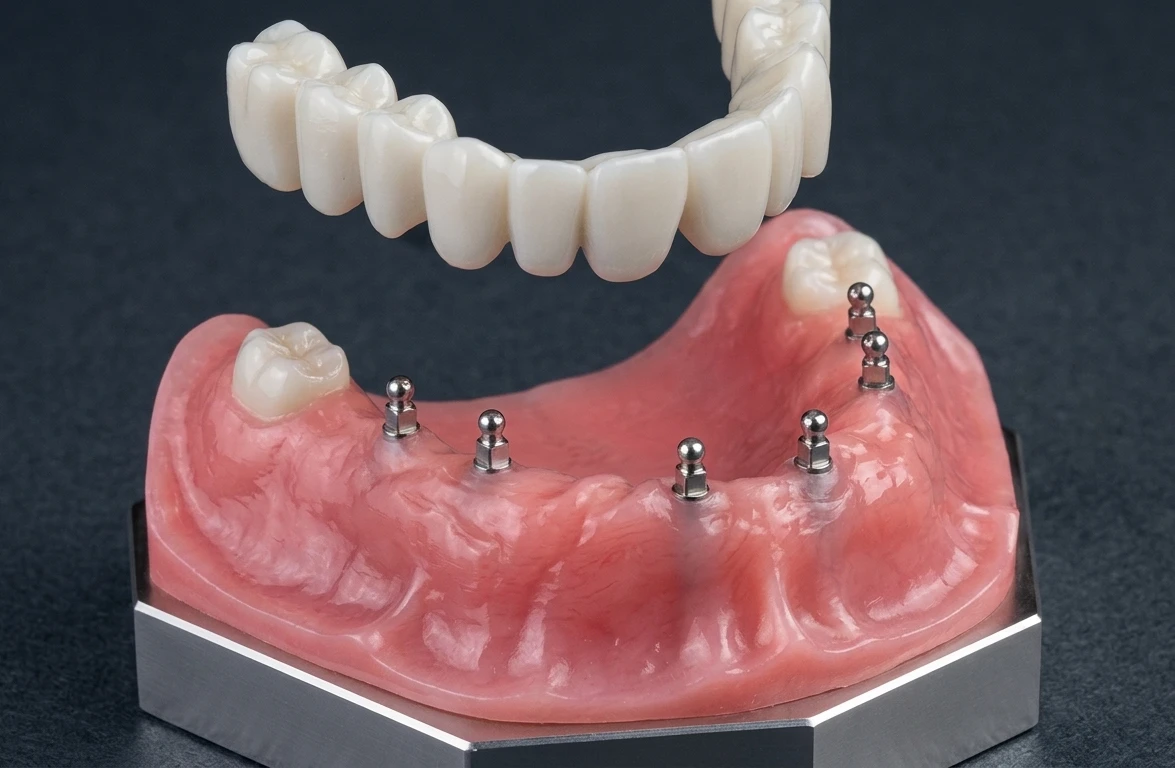
Mini implants are smaller in diameter than standard implants (usually under 3 mm). Because of their size, placement is less invasive, and healing is often quicker. They are commonly used to stabilise lower dentures or in cases where there is limited bone width.
However, they are not designed for heavy biting forces, so they are not suitable for every situation where a full-size implant would normally be used.
Mini implants are typically made from titanium and are often used as a supportive solution rather than a full tooth replacement. Mini implants can be a good option for improving denture stability and comfort, especially for patients who may not be suitable for more complex surgical procedures.
With proper care, they can provide reliable function for several years, although they are generally considered a shorter-term or supportive solution compared to standard implants.
Immediate Load Implants
Immediate load implants allow a temporary tooth or bridge to be placed on the same day as the implant surgery. This is why they are often called “Teeth in a Day”.
They are ideal for patients who want faster results, but they do require strong bone quality and healthy gums. Not everyone is suitable, but for the right candidates, they can significantly reduce treatment time. This approach is also one of the fastest-growing areas in implant dentistry.
In these cases, the implant is usually made from titanium and is carefully placed to achieve strong initial stability so it can support a temporary restoration straight away. The final tooth or bridge is then fitted after the healing period.
When well planned and maintained, results can be long-lasting and comparable to traditional implant methods in suitable patients.
Endosteal Implants
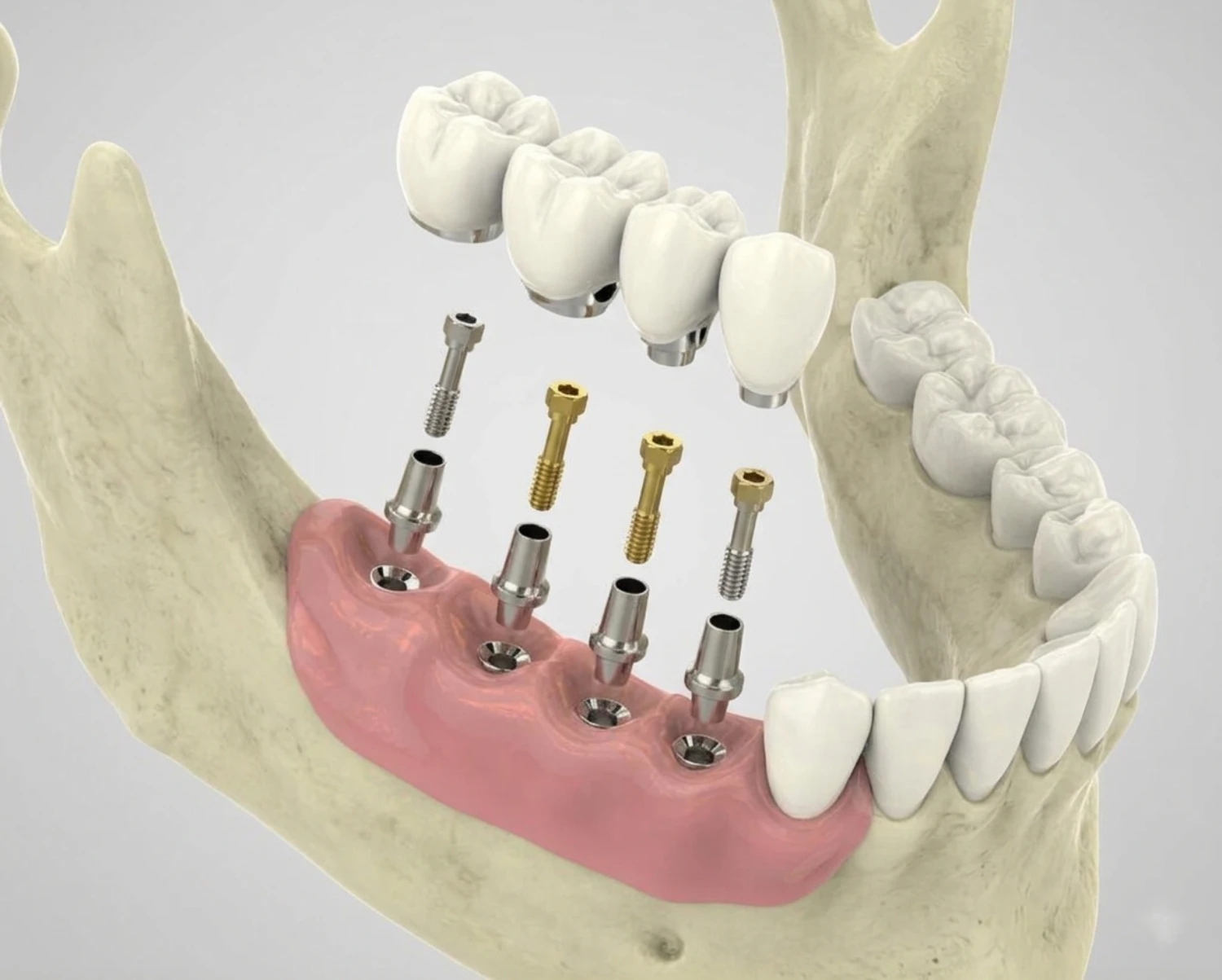
Endosteal implants are the most widely used type, making up the majority of implant treatments worldwide.
A titanium screw is placed directly into the jawbone, where it acts as an artificial tooth root. Over time, the bone naturally fuses with the implant in a process called osseointegration.
They offer excellent long-term success rates (around 95–98% over 5–10 years), making them one of the most reliable options available. In most cases, titanium is used, although ceramic alternatives such as zirconia are also available for some patients.
This type of implant is suitable for a wide range of cases, from single missing teeth to multiple-tooth replacements and full-arch restorations.
Because it integrates directly with the bone, it provides strong stability and is considered the standard foundation for most modern implant treatments.
Subperiosteal Implants
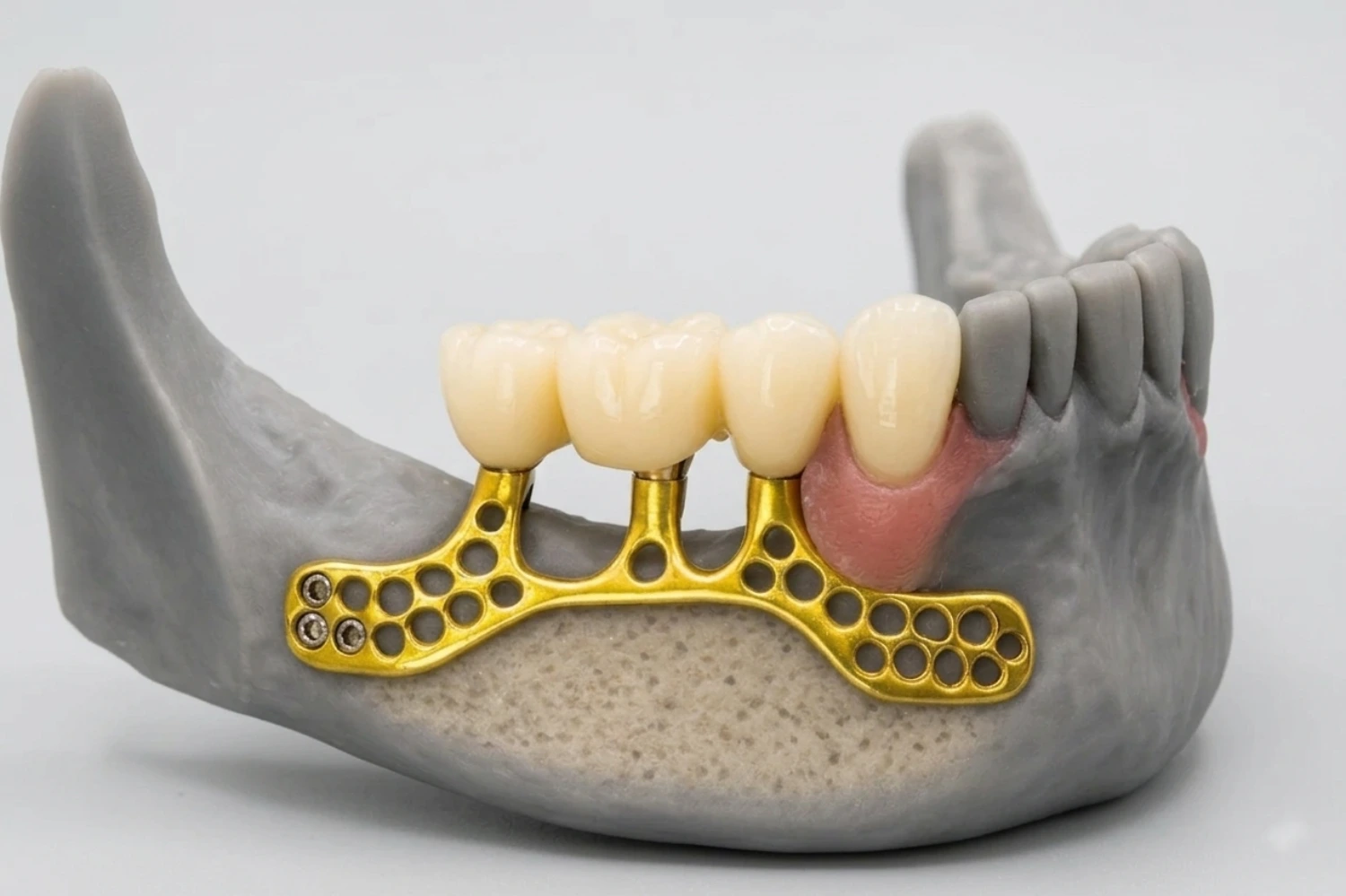
Subperiosteal implants sit on top of the jawbone but under the gum, supported by a custom metal framework.
They are usually used when there is not enough bone for standard implants and bone grafting is not possible or preferred.
Although less common today due to advances in bone grafting and other implant techniques, they can still be useful in selected cases.
The framework is typically made from biocompatible metal, designed to fit the shape of the patient’s jaw for support. This type of implant is mainly considered for patients with significant bone loss who are not suitable for other conventional implant options.
Zygomatic Implants
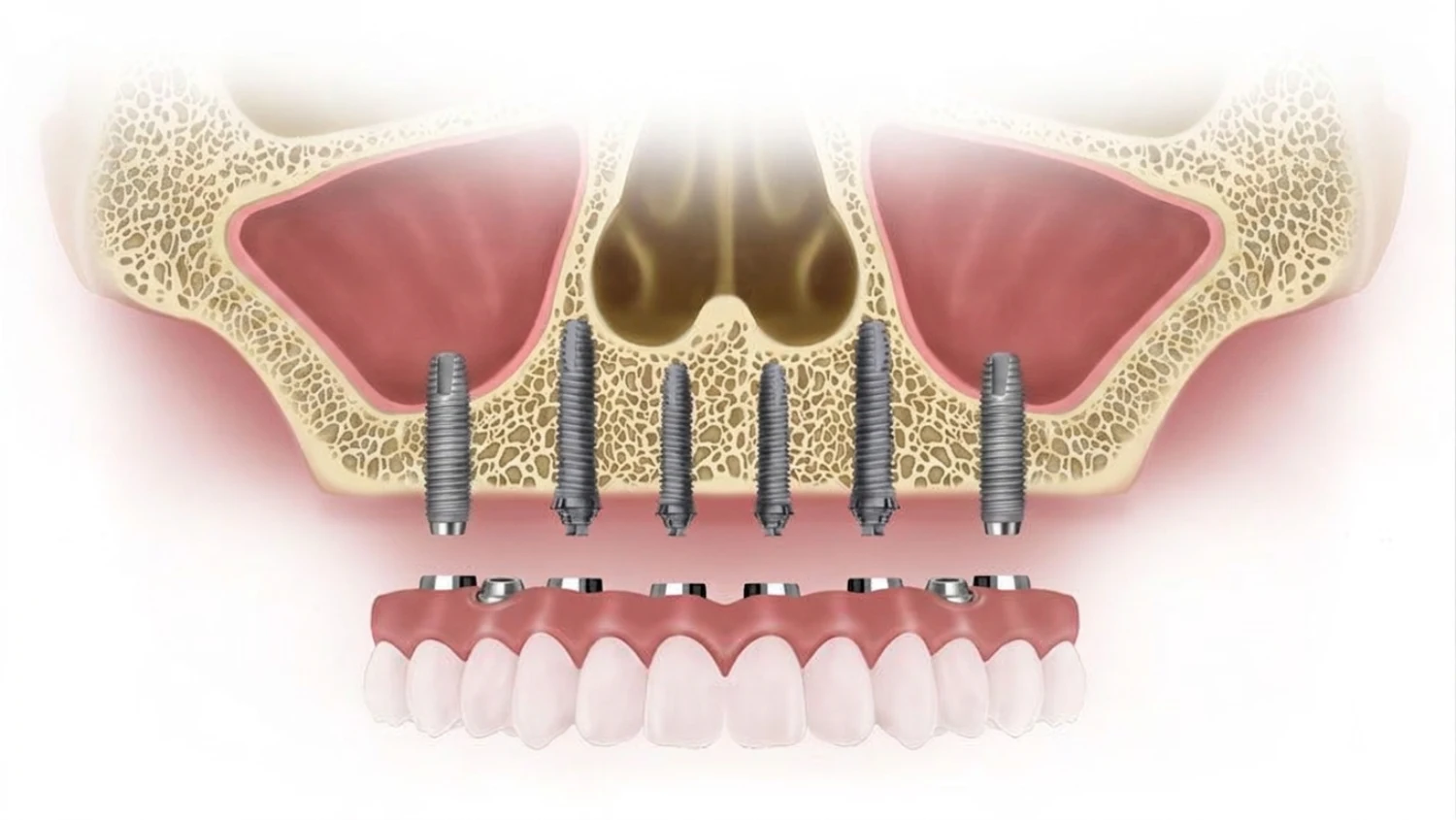
Zygomatic implants are used in cases of severe bone loss in the upper jaw. Instead of the jawbone, they are anchored into the cheekbone (zygoma), which is much denser and more stable.
This is a complex procedure that requires specialist expertise, but it can allow patients to receive fixed teeth without extensive bone grafting.
These implants are typically made from long titanium fixtures designed to reach the cheekbone safely and securely. They are usually recommended for patients who have very limited upper jaw bone and want a fixed solution rather than removable dentures.
In well-planned cases with good oral care and regular follow-ups, they can last 15 to 20 years or more, and in many cases can function for decades.
Pterygoid Implants
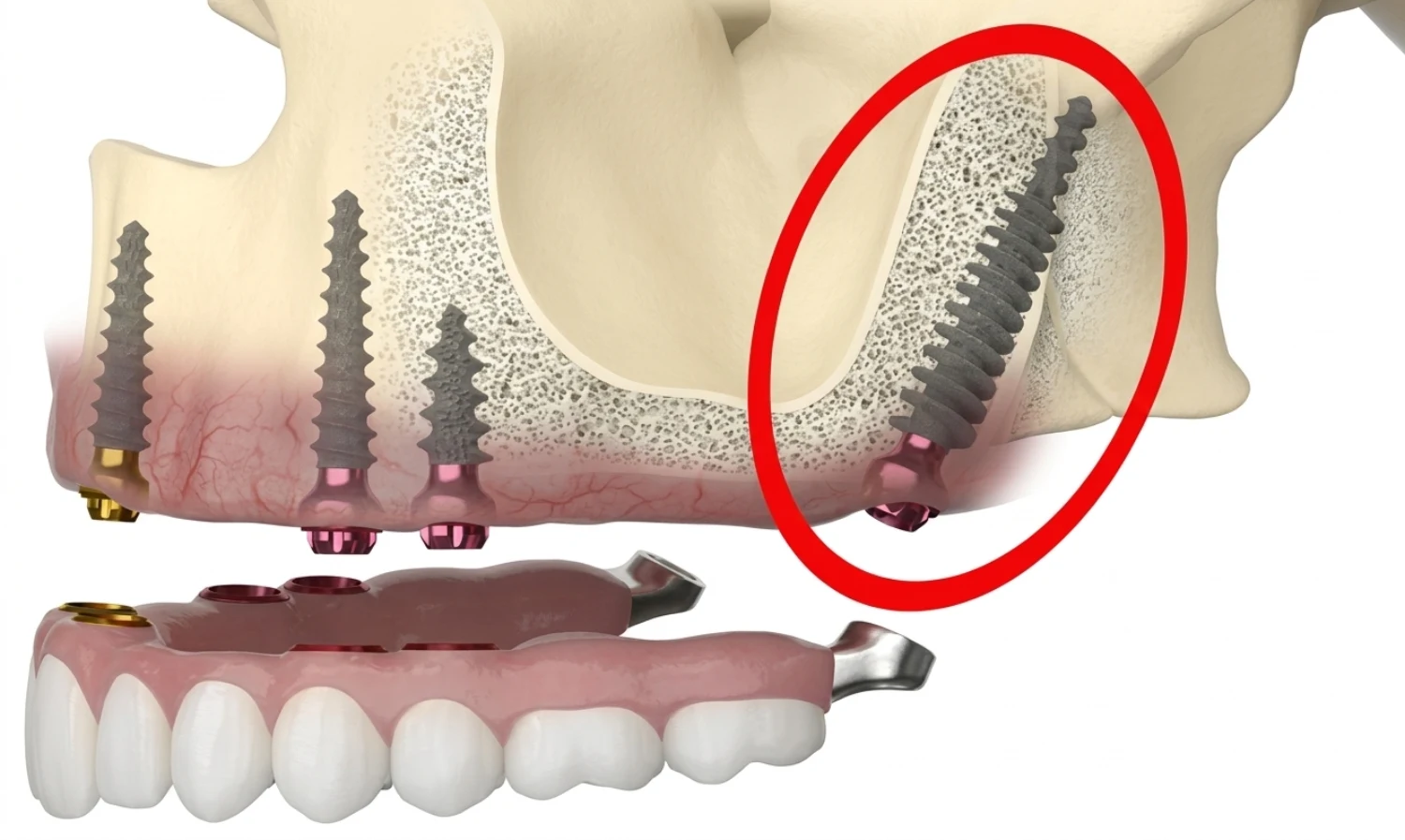
Pterygoid implants are a specialised option for severe bone loss in the back of the upper jaw.
They are anchored into the pterygoid bone, a strong area located behind the upper jaw. In some cases, they can be an alternative to procedures such as a sinus lift. This technique is not offered in all clinics, but it can be highly effective for suitable patients.
Pterygoid implants are usually made from titanium and are designed for deep anchorage in dense bone, which provides strong stability in complex cases. They are mainly used for patients who need full upper arch rehabilitation but have very limited bone available in the back of the jaw. With proper care and maintenance, they can typically last around 10 to 20 years or more.
All-on-4 Implants
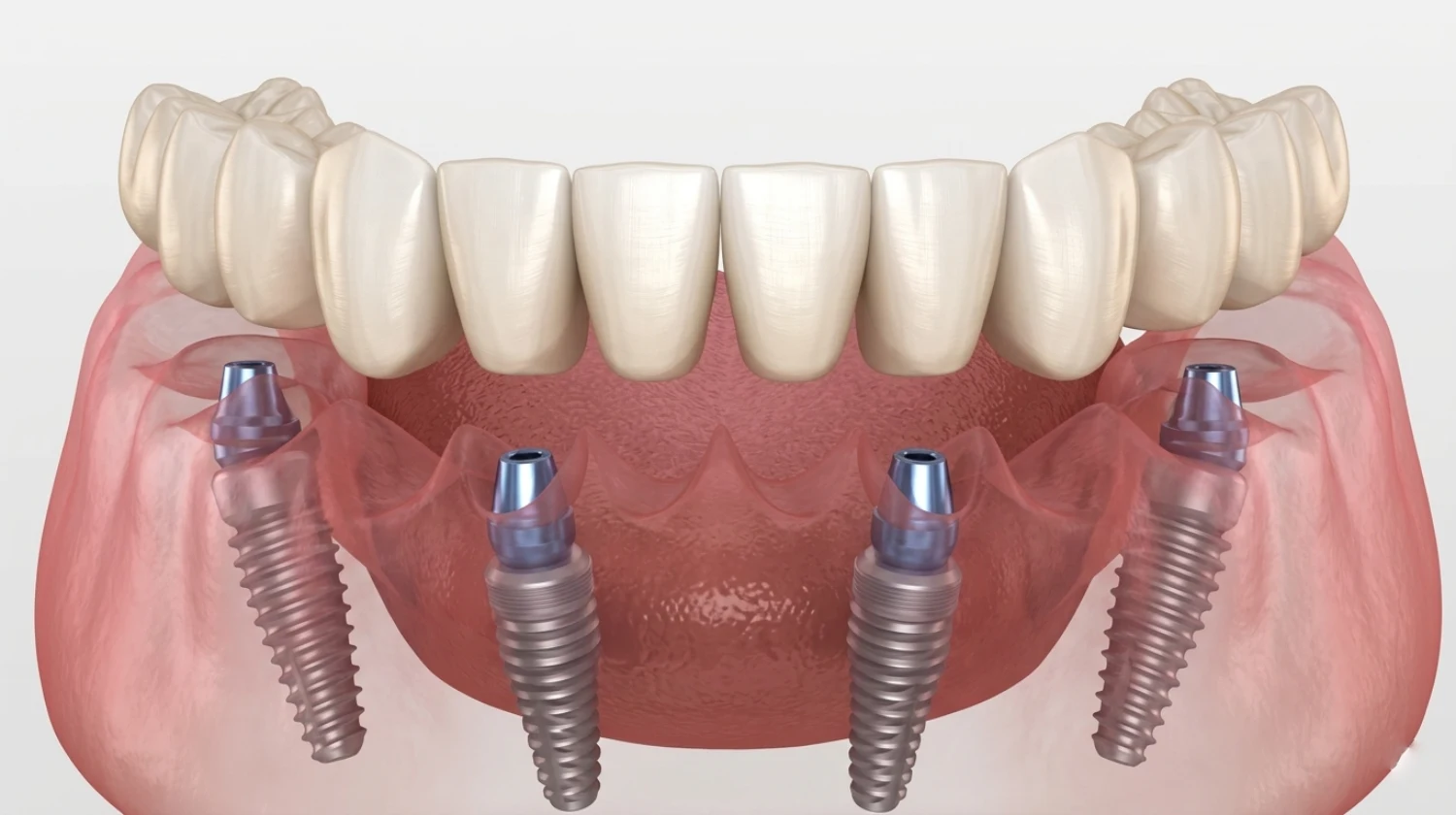
All-on-4 is a full-arch solution for patients missing most or all teeth in one jaw.
Four implants are placed strategically across the jaw, with the back implants angled to maximise existing bone. This often avoids the need for bone grafting.
A temporary set of teeth can usually be fitted on the same day. The long-term success rate is very high, with studies showing around 98.8% prosthetic survival.
In the UK, treatment typically starts from £13,000. At Zental, our prices for all-on-4 implants start at £6,495.
All-on-4 systems are usually made using durable materials such as titanium implants combined with acrylic or zirconia bridges for strength and aesthetics. This option is designed to restore full function, allowing patients to eat, speak, and smile comfortably.
With good care, All-on-4 implants typically last around 15 to 20 years.
All-on-6 Implants
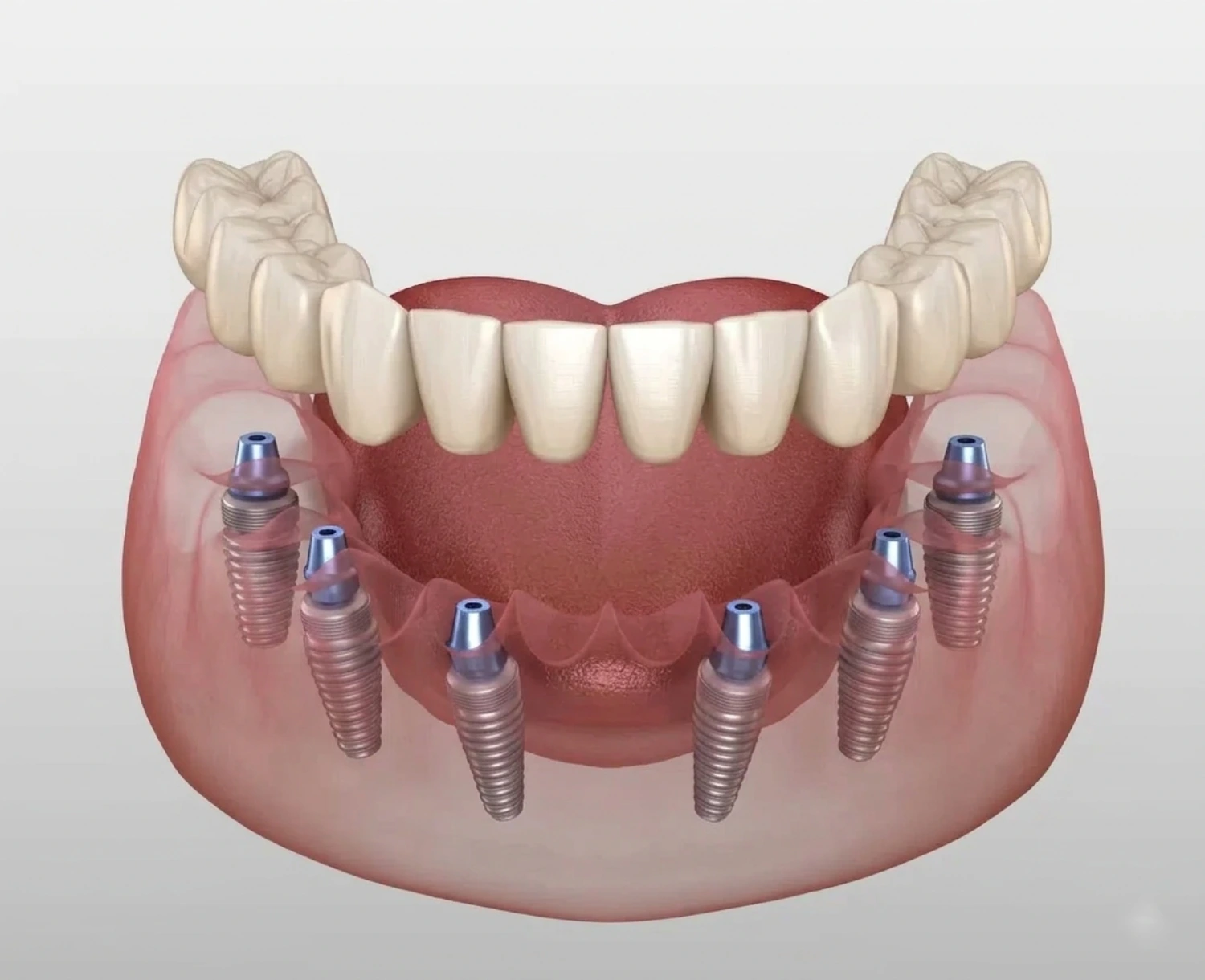
All-on-6 works in a similar way to All-on-4 but uses six implants instead of four.
The additional implants help distribute biting forces more evenly, which can improve stability and long-term comfort.
This option is often recommended for patients with stronger bite forces or those who want extra support. UK prices usually range from £12,000 to £22,000 per arch. The prices at our dental clinics start at £8,495 for an all-on-6 treatment.
All-on-6 systems typically use titanium implants combined with a fixed bridge made from materials such as acrylic or zirconia. The extra support from two additional implants makes this option particularly suitable for patients who need greater strength and durability.
With proper care and maintenance, All-on-6 implants usually last around 15 to 25 years.
Implant-Supported Bridges
Implant-supported bridges are used when several teeth in a row are missing.
Instead of relying on neighbouring teeth (as with a traditional bridge), implants are placed at each end of the gap to support a fixed bridge. This preserves healthy teeth and provides a strong, natural-feeling solution.
These bridges are usually made from materials such as zirconia, porcelain, or porcelain-fused-to-metal, depending on the case and aesthetic needs. They are commonly recommended for patients missing multiple adjacent teeth who still have good bone support for implant placement.
With proper care, implant-supported bridges typically last around 10 to 15 years or more.
Implant-Supported Dentures
Implant-supported dentures are a more stable alternative to traditional removable dentures.
They are anchored to implants, which helps prevent slipping and improves comfort when eating and speaking.
Depending on the design, they can be removable (snap-on) or permanently fixed. They also help reduce ongoing bone loss compared to standard dentures.
These dentures are usually made from acrylic or a combination of acrylic and metal for added strength. They are often recommended for patients missing most or all of their teeth who want a more secure and comfortable alternative to conventional dentures.
With good care, implant-supported dentures typically last around 7 to 15 years, depending on the design and maintenance.
At-a-Glance Comparison
What Are the Common Supporting Procedures for Dental Implants?
Not everyone can have dental implants straight away. In some cases, the jaw needs a little preparation first to make sure the implant has a strong and stable foundation. This is a normal part of treatment for many patients.
The 2 most common preparatory procedures are bone grafting and sinus lifts.
Bone Grafting
If you have been missing teeth for a long time or if gum disease has affected your bone, there may not be enough bone to support an implant. Bone grafting helps rebuild and strengthen this area.
The graft material can come from your own body, a donor source, an animal source, or a synthetic material. Around 2.2 million bone grafts are performed worldwide each year, with very high success rates depending on the patient’s health and the type of graft used.
Healing usually takes around 3 to 9 months before an implant can be placed. At Zental, bone grafting typically adds around £495 to the overall treatment cost.
Sinus Lift
A sinus lift is a procedure used only in the upper jaw. It is needed when the bone beneath the sinuses is too thin to support an implant, usually less than 4–5 mm.
During the procedure, the sinus membrane is gently lifted, and bone graft material is placed in the space created. This helps build enough bone height for a stable implant.
There are two main techniques: a lateral window approach (used for more significant bone loss) and a crestal approach (for less invasive cases).
Healing generally takes 4 to 9 months, although in some cases the implant can be placed at the same time. At Zental, costs typically start at £1,495.
What Are the Benefits of Dental Implants?
There is a reason dental implants are often considered the gold standard for replacing missing teeth. They offer both functional and long-term health benefits, as well as a natural-looking result.
- Natural look and function: Dental implants are created to look, feel, and work like natural teeth. Once healed, they blend in with your smile and allow you to eat and speak normally.
- Protecting jawbone health: Implants stimulate the jawbone in the same way a natural tooth root would. This helps prevent bone loss, which commonly happens after tooth loss or with dentures over time.
- No impact on healthy teeth: Unlike traditional bridges, dental implants do not require grinding down or altering the surrounding healthy teeth. This helps preserve your natural tooth structure.
- Long-lasting solution: With good oral hygiene, dental implants can last 25 years or more. Many patients keep them for a lifetime, making them a long-term investment in oral health.
- Easy daily care: You care for implants just like natural teeth. Brushing and flossing are usually all that is needed, with no special adhesives or removal at night.
- Improved confidence: For many people, the biggest benefit is emotional. Being able to smile, eat, and speak comfortably again can significantly improve confidence in daily life.
How to Choose the Right Type of Dental Implant
With so many types of dental implants to consider, the decision can feel like a lot. Here's how to narrow things down:
- Bone density and volume: This is one of the most important factors. A 3D CBCT scan shows exactly how much bone you have and where it is located. This helps your dentist decide whether a standard implant is suitable or whether you may need bone grafting or more advanced options like zygomatic implants.
- How many teeth are missing: The number of missing teeth also affects the treatment plan. A single gap is usually treated with one implant. Several missing teeth in a row may be replaced with an implant-supported bridge. If most or all teeth are missing, options like All-on-4, All-on-6, or implant-supported dentures may be recommended.
- Your general health: Your overall health plays an important role in healing. Conditions such as uncontrolled diabetes, heavy smoking, or certain medications can affect recovery and increase risks. It is important to share your full medical history so your dentist can plan safely.
- Budget and timeline: Different implant options vary in cost and treatment time. Immediate load implants offer faster results but require strong bone and good oral health. More complex cases may take longer but are suitable for a wider range of patients.
- What matters most to you: Some people care most about appearance, while others prioritize strength, comfort, or speed of treatment. There's no wrong answer, and your dentist can match the approach to your priorities.
The most reliable way to choose is always a proper consultation with scans. This allows your dentist to create a personalized treatment plan based on your bone structure, health, and goals.
Dental Implants vs Other Tooth Replacement Options
Dental implants are often seen as the best long-term option for replacing missing teeth. Here is how they compare with dentures and bridges.
Implants vs. Dentures
Dentures are usually the cheapest option at the start. They are removable and typically need replacing every 5 to 10 years, depending on wear and fit. In many cases, they are fitted after tooth extraction when remaining teeth cannot be saved.
However, dentures do not protect the jawbone. Over time, this can lead to bone loss, gum irritation, and changes in facial shape. They can also feel less stable when eating or speaking.
Dental implants cost more at the beginning, but they are fixed in place and help keep the jawbone healthy. They don’t need to be removed, and they feel more like natural teeth. Implant-supported dentures offer a middle option, giving more stability than regular dentures.
Implants vs. Bridges
The main downside of dental bridges is that the healthy teeth next to the gap need to be filed down to support the bridge. A bridge also does not stop bone loss under the missing tooth.
Bridges usually last around 7 to 15 years before needing replacement. Dental implants often last much longer, with studies showing a 10-year success rate of around 94% to 98%, compared with 72% to 87% for bridges.
Over time, implants can also be more cost-effective because a bridge may need to be replaced more than once, while an implant can last for decades with proper care.
Your Next Step
There is no single best type of dental implant. The right option depends on your bone health, how many teeth you are missing, your general health, and your treatment goals, as well as the expected results of dental implants in your specific case.
At Zental, we use 3D scans to assess your mouth and explain your options in a clear and simple way. Sedation is also available if you feel anxious about treatment.
We’ll go through the types of dental implants that suit you and create a plan that fits your needs.
Ready to take the next step? Book a consultation at your nearest Zental clinic and start your journey towards a healthier smile.
FAQ
How long do dental implants last?
With good oral hygiene and regular dental check-ups, dental implants can last 25 years or more. Many patients keep them for life. Studies show success rates of around 95% to 98% in the first 5 to 10 years, with strong long-term survival when care is maintained. How long they last depends on bone health, general health, and daily care.
Are dental implants painful?
The implant procedure is carried out under local anaesthetic, so you should not feel pain during treatment. After the procedure, most people experience mild discomfort for a few days, which is usually managed with standard pain relief. Sedation is also available for patients who feel anxious.
How much do dental implants cost in the UK?
A single dental implant in the UK usually costs between £1,800 and £4,500 in private clinics. Full-arch treatments like All-on-4 typically start from around £9,995 per arch. Additional treatments such as bone grafting or sinus lifts may increase the total cost. Many clinics offer payment plans to spread the cost.
Can I get dental implants if I have gum disease?
Active gum disease must be treated before implants can be placed. Untreated gum disease increases the risk of implant failure. Once your gums are healthy and stable, implants are usually possible. Your dentist will assess this during your consultation.
What is the success rate of dental implants?
Dental implants have a high success rate of around 95% to 98% over 5 to 10 years. Large studies also report survival rates close to 98% in many cases. Success depends on factors such as bone quality, smoking, diabetes control, and the experience of the clinician.
What are the most popular types of dental implants?
Endosteal implants are the most common type, making up the majority of treatments worldwide. For full-arch replacement, All-on-4 is one of the most popular options. Mini implants are also widely used for stabilizing dentures in suitable cases.
Which type of dental implant is best?
There is no single best option for everyone. Endosteal implants are suitable for most patients with enough bone. For more complex cases, options like All-on-4 or zygomatic implants may be recommended. The right choice depends on your scans, health, and treatment goals.
What does no one tell you about dental implants?
The full treatment is not instant and usually takes 3 to 6 months, or longer if bone grafting is needed. Some patients also need extra procedures like sinus lifts or bone grafts, which add time and cost. While implants cannot get cavities, the gums around them still need careful cleaning to prevent infection. Over time, however, implants can be more cost-effective than repeatedly replacing dentures or bridges.


