



Veneers can change the appearance of your smile, but they are not made to last forever. Their lifespan depends on several factors, including the type of veneer, your oral hygiene routine, your bite, and how well you care for them over time.
In this guide, we'll explain how long porcelain and composite veneers typically last, what can cause them to wear or fail, and the steps you can take to keep your veneers looking and feeling their best for as long as possible.
How Long Do Veneers Last?
The lifespan of veneers depends mainly on the material used and how well they are cared for.
- Composite veneers typically last around 5 to 7 years, although they may last longer with excellent dental hygiene and regular dental care.
- Porcelain veneers are more durable, usually lasting 10 to 15 years or more, with some cases lasting beyond 20 years.
Porcelain veneers usually last longer because the ceramic material is highly resistant to wear, staining, and changes in colour over time. Composite veneers are more affordable and can often be repaired more easily, but the resin material is more prone to staining and wear.
These timeframes are general estimates rather than guarantees. Your veneer lifespan can vary depending on factors such as your bite, oral hygiene, lifestyle habits, and the quality of the placement.
If you are considering veneers alongside treatments to fix an underbite or correct an overbite, your dentist can help you understand the most suitable options.
What Factors Affect the Longevity of Veneers?

The lifespan of your veneers depends on several factors, including the material used, your oral health, daily habits, and the quality of your treatment. While veneers are designed to last for many years, proper care plays an important role in protecting them.
- Type of veneers: The material you choose affects how long your veneers last. Composite veneers usually last around 5 to 7 years, while porcelain veneers typically last 10 to 15 years or more with proper care. Some porcelain veneers can last beyond 20 years.
- Oral hygiene habits: Veneers cannot decay, but the natural teeth underneath and the surrounding gums still need protection. Regular brushing, flossing, and dental check-ups help prevent problems that could affect your veneers.
- Diet and staining foods: Coffee, tea, red wine, and other staining foods can affect the appearance of composite veneers over time. Limiting acidic foods and drinks can also help protect the bond between the veneer and your tooth.
- Teeth grinding (bruxism): Clenching or grinding can place extra pressure on veneers and increase the risk of chips or cracks. If you grind your teeth, your dentist may recommend a custom night guard for protection.
- Quality of treatment: Well-fitted veneers with a strong, precise bond are more likely to last. An experienced dentist can help ensure the veneers are placed correctly and provide advice on long-term care.
- Daily habits: Avoid using your teeth as tools, biting hard objects, or habits such as nail biting, as these can put unnecessary stress on veneers.
To help your veneers last as long as possible, use a soft-bristled toothbrush, choose non-abrasive toothpaste, and follow your dentist’s cleaning recommendations.
Regular check-ups also allow your dentist to monitor your veneers and address small issues, such as chips or sensitivity, before they become larger problems.
How Do You Know When Veneers Need Replacing?
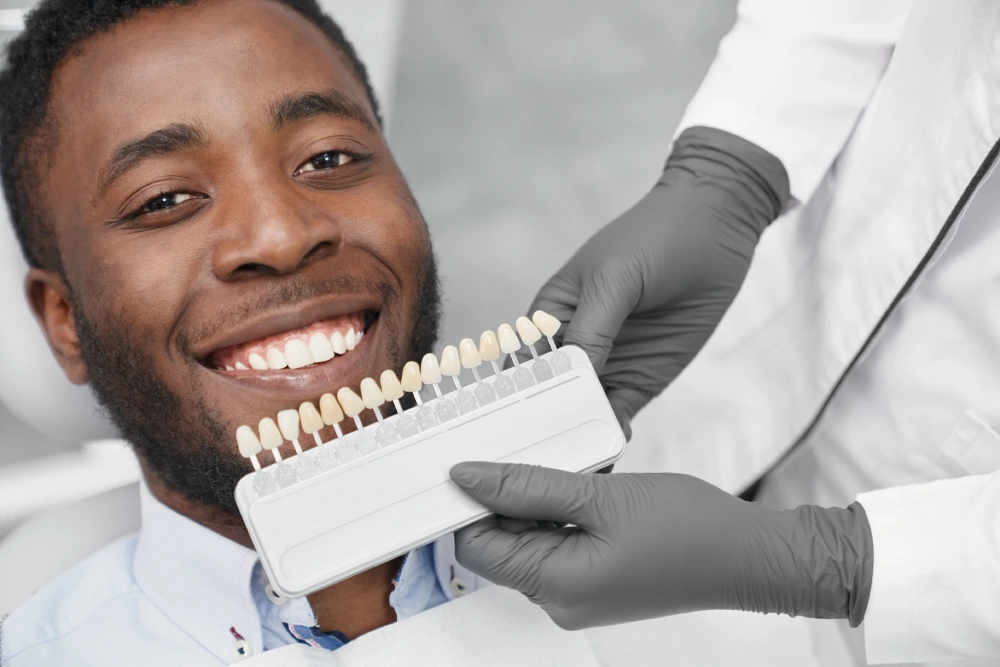
Veneers are designed to last for many years, but they will eventually need maintenance or replacement. Your dentist can assess their condition, but some common signs that it may be time for a review include:
- Chips, cracks, or visible damage: Damage to the veneer surface may affect both appearance and function.
- Persistent staining or discolouration: If professional cleaning or polishing no longer improves the appearance, replacement may be considered.
- Changes around the gum line: Gum recession can expose the edge where the veneer meets your natural tooth, affecting the overall appearance.
- A loose veneer or changes in your bite: Movement, discomfort, or a different bite sensation should be checked by your dentist.
It is important to remember that replacing veneers does not mean something has gone wrong. Like many dental restorations, veneers are not designed to last forever, and normal wear over time may eventually require renewal. Regular dental check-ups can help identify when replacement is needed and prevent small issues from becoming bigger problems.
Porcelain vs Composite Veneers: Which Lasts Longer?
If longevity is your top priority, here's how the two materials stack up side by side.
Neither option is right for everyone. Porcelain veneers may usually be the better choice for long-term durability, stain resistance, and a natural appearance, while composite veneers offer a more affordable and flexible option with easier repairs.
The prices for porcelain veneers typically start around £895 per tooth, and composite veneers usually cost around £450 per tooth. Your dentist can help you choose the material that best fits your goals, budget, and oral health.
Common Mistakes That Shorten the Life of Veneers
Many veneer problems can be avoided with the right care and regular dental support. Some of the most common mistakes that can reduce their lifespan include:
- Skipping dental check-ups: Regular visits allow your dentist to spot early signs of wear, damage, or issues around the veneer before they require major repairs.
- Ignoring teeth grinding: Clenching or grinding can put extra pressure on veneers and increase the risk of chips or cracks. A custom night guard can help protect them.
- Using your teeth as tools: Opening bottles, tearing packaging, or biting hard objects can damage the veneer surface and lead to fractures.
- Poor cleaning around the gum line: Inadequate oral hygiene can affect the natural tooth underneath and the gums surrounding the veneer.
- Choosing an inexperienced provider: Proper planning, high-quality materials, and precise placement all play an important role in how long veneers last.
With the right approach and professional care, veneers can remain a reliable and long-lasting cosmetic treatment. Even patients who grind their teeth may still be suitable candidates when the condition is properly managed.
Where to Get Veneers with the Longest Lifespan

The lifespan of your veneers starts with choosing the right dental provider. Look for a GDC-registered dentist with experience in cosmetic dentistry and veneers. Ask to see examples of their previous work. A skilled dentist will also explain the materials available, the treatment process, and the care needed to maintain your veneers.
At Zental, our in-house laboratory gives us control over the veneer creation process from start to finish. All of our veneers are made in the UK, with nothing imported from overseas, allowing our clinical and laboratory teams to work closely together throughout your treatment.
The benefits of our in-house lab include:
- UK-made veneers: Every veneer is created in our own UK laboratory rather than being produced overseas, giving us closer control over the process.
- Experienced technicians: Our skilled laboratory technicians have extensive experience creating veneers and work closely with our dentists to achieve precise results.
- Better control over colour and appearance: Close collaboration between our dentists and technicians helps us carefully match the shade, shape, and translucency of your veneers to create a natural-looking smile.
- Consistent quality and fit: Having our own laboratory allows our team to monitor each stage of production and focus on creating veneers that fit comfortably and look natural.
We offer veneer treatments in multiple locations, including Knightsbridge, Earl’s Court, Barnet, Cricklewood, Bexleyheath, and Milton Keynes. This means you can choose the clinic that is most convenient for you while receiving the same personalised approach and high standard of care.
Book a consultation with Zental today to discuss your veneer options and find the right treatment plan for your smile.
FAQ
How long do porcelain veneers last?
Porcelain veneers typically last 10 to 15 years, with many lasting 20 years or more with proper care. Their durable ceramic surface is highly resistant to wear and staining.
How long do composite veneers last?
Composite veneers usually last around 5 to 7 years, although excellent care can help extend their lifespan. They are more prone to staining and wear compared with porcelain.
Can veneers last a lifetime?
No. Veneers are not considered a permanent, lifetime restoration. However, with good oral hygiene and regular dental visits, they can provide many years of reliable results before needing replacement.
Do porcelain veneers last longer than composite veneers?
Yes. Porcelain veneers generally last longer because the material is stronger and more resistant to staining and everyday wear.
Can veneers last 20 years?
Porcelain veneers can last 20 years or more in some cases when they are properly maintained. Regular check-ups, good oral hygiene, and protecting veneers from excessive pressure can help extend their lifespan.
How often do veneers need replacing?
Composite veneers often need replacing after around 5 to 7 years, while porcelain veneers may last 10 to 15 years or longer. Your dentist will assess their condition and recommend replacement when needed.
Can veneers fall off?
Although uncommon, veneers can become loose if the bonding weakens or they experience damage. If a veneer comes off, contact your dentist promptly, as it may be possible to repair or reattach it.
Do veneers stain over time?
Composite veneers can stain more easily from drinks such as coffee, tea, and red wine. Porcelain veneers are more resistant to staining because of their non-porous surface.
Can you whiten veneers?
No. Teeth-whitening treatments do not change the colour of veneers. If you want a brighter smile, your dentist can discuss your options before treatment.
How do you care for veneers?
Brush and floss regularly, attend dental check-ups, avoid biting hard objects, and follow your dentist’s advice to help protect your veneers and extend their lifespan.
Is it worth getting porcelain veneers?
For many patients, porcelain veneers are worth considering because they offer a longer lifespan, strong stain resistance, and a natural appearance. The best option depends on your smile goals, budget, and oral health.


