


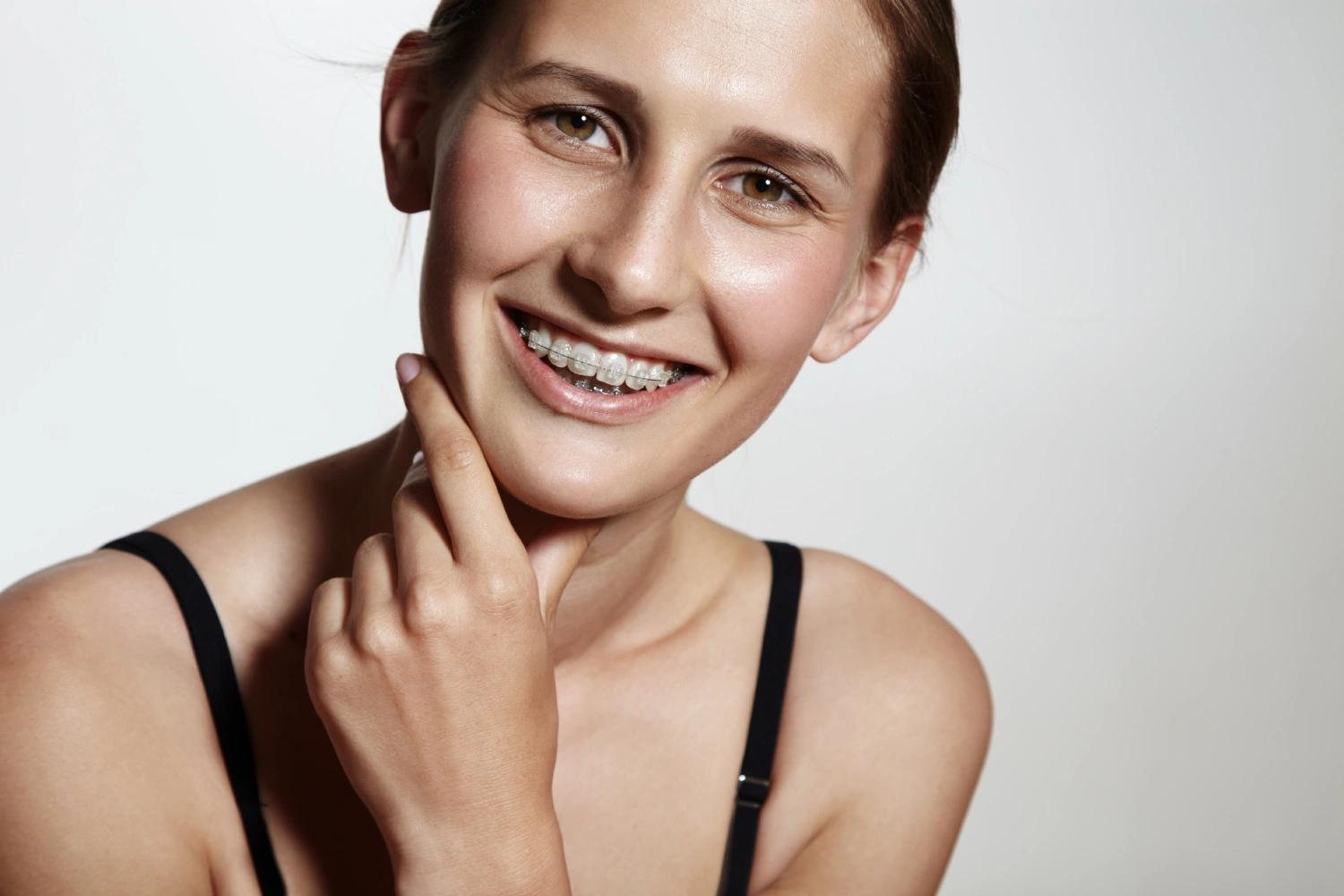
Choosing braces can feel overwhelming, especially with so many options and a wide range of costs. At Zental, we see this every day across our UK clinics, where patients are unsure which option will suit their needs, lifestyle, and budget.
In this guide, we’ll break down the main types of braces for teeth straightening, explaining how each works, the typical costs, and who they are best suited for. It’s based on the most common questions and concerns we hear, so you can make a more confident, informed decision.
What Are the Main Types of Braces?
What are Traditional Metal Braces and How Do They Work?
You have definitely heard of metal braces; they’re the most common ones. Traditional metal braces have been around for decades, and there's a reason they're still the most popular orthodontic treatment in the UK.
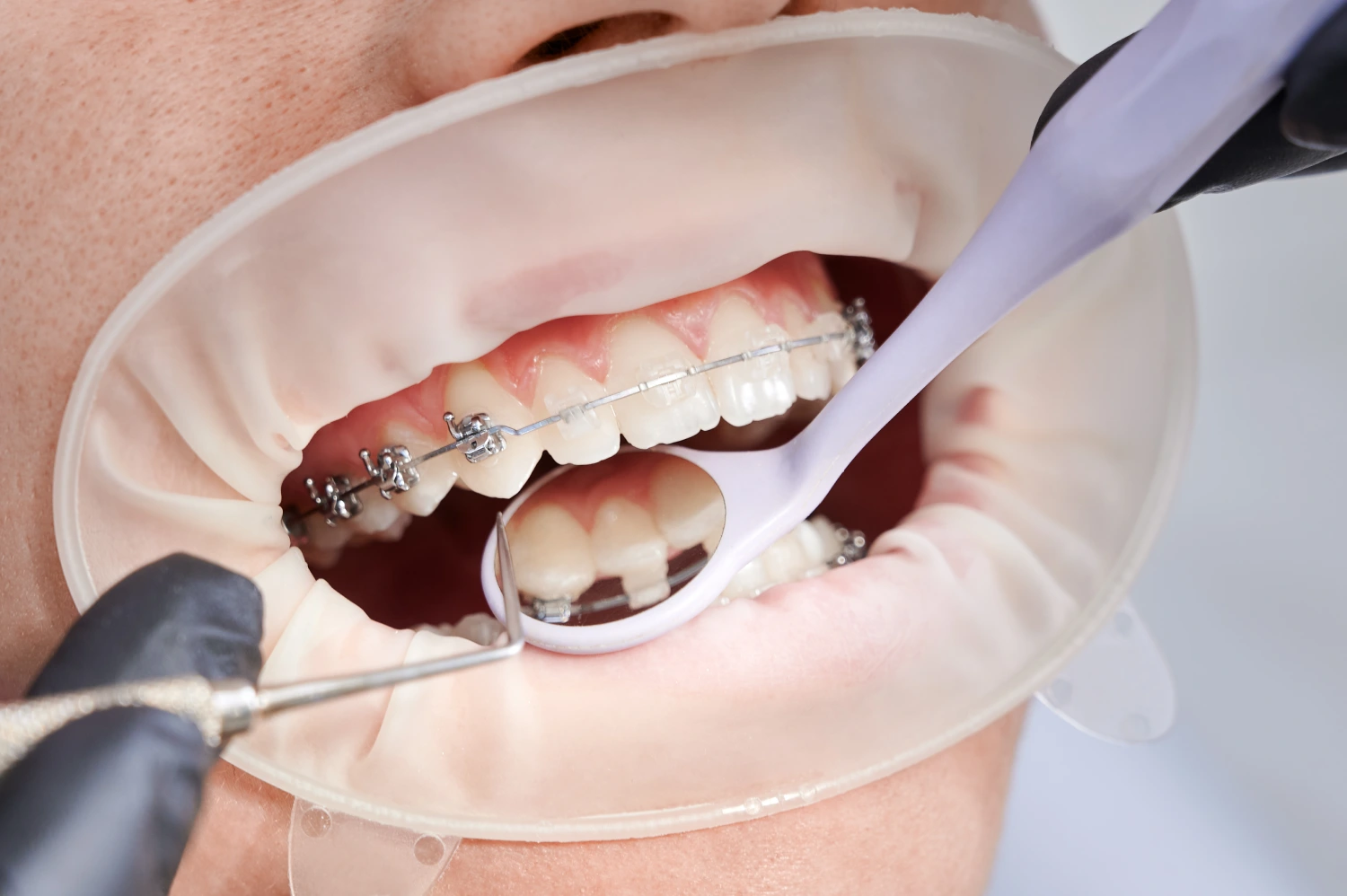
- How they work: Small metal brackets are fixed to the front of each tooth and connected by a thin wire. Elastic bands hold the wire in place. Your orthodontist adjusts the wires every 4-10 weeks. This gradually moves your teeth into the correct position.
- What they cost: Private metal braces usually cost between £1,500 and £4,000 at different clinics across the UK. Our custom plans for metal braces start at £2,595.
- Treatment duration: Most people wear metal braces for 12 to 24 months, depending on how much movement is needed.
Why Do People Choose Metal Braces?
There's a lot to like here:
- Most affordable option for straightening teeth
- Extremely durable and rarely breaks
- Handle complex cases that other braces can't manage
- Proven track record with decades of research behind them
- Customisable with different colours of braces and elastics (popular with younger patients)
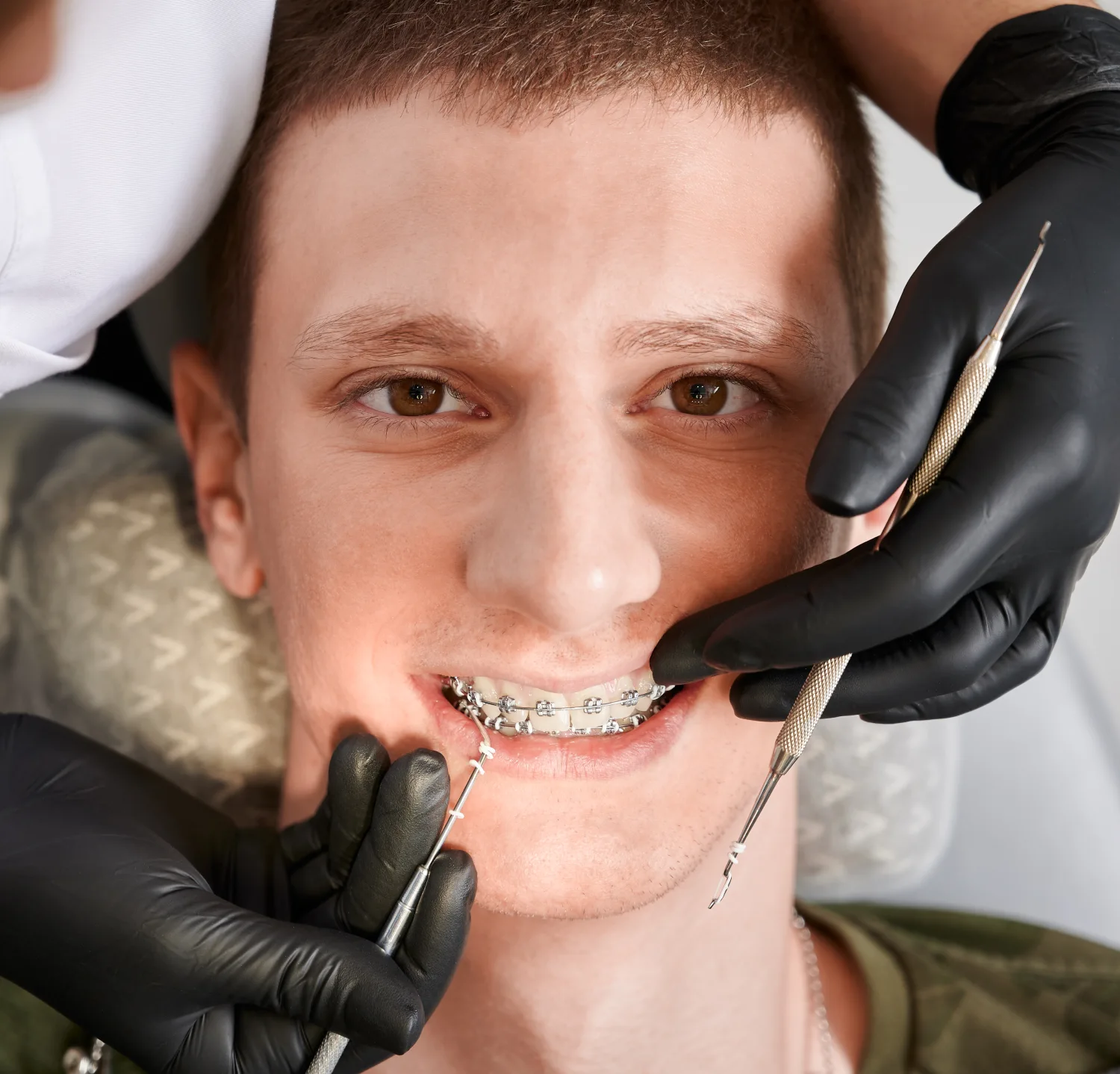
Modern metal braces are smaller and more comfortable than the bulky versions from years past. This is because the brackets sit closer to the teeth, and the wires are gentler. It's not quite the "train track" experience people sometimes imagine.
What are the Downsides of Metal Braces?
Let's be honest about the trade-offs:
- They're the most visible option out there
- You'll need to avoid certain foods
- Cleaning takes extra effort since food gets trapped easily
- Some initial discomfort and mouth irritation
- They can interfere with certain musical instruments
Metal braces work brilliantly for younger patients, anyone with significant alignment issues, and people who want the most cost-effective route to a straighter smile.
What are Ceramic (Clear) Braces and How Do They Work?
If you want fixed braces that are less noticeable, ceramic braces sit neatly between metal braces and clear aligners. They work in the same way as metal braces, using brackets and wires to move teeth, but the brackets are clear or tooth-coloured, so they blend in more naturally.
- How they work: Same mechanics as metal braces, just with subtler materials. Ceramic braces are significantly less visible, whilst they still provide the effectiveness needed for complex cases.
- What they cost: Expect to pay £2,000 to £6,000 for ceramic braces in the UK. That's roughly 20-50% more than metal braces. At Zental, we offer plans starting at £2,995.
- Treatment duration: Typically 18 to 36 months. Sometimes treatment takes slightly longer than with metal braces, as orthodontists may need to work more carefully with the materials.

Why Do People Choose Ceramic Braces?
Ceramic braces attract a lot of adults and image-conscious teenagers for good reasons:
- Much less noticeable than metal braces, so let’s you maintain a more polished look
- Same effectiveness as metal braces for treating complex issues
- Fixed in place, they work automatically without needing you to take them in or out
You get the pros of traditional braces without the "metal mouth" look. For many adults who have returned to orthodontics after years of avoiding it, that's a meaningful benefit.
What are the Downsides of Ceramic Braces?
Ceramic brackets have their cons:
- Staining potential if you don't maintain them properly
- More fragile than metal, so they can chip
- Slightly larger brackets than modern metal options
- Elastic ties can discolour from coffee, tea, and certain foods
If you choose ceramic braces, you'll want to be mindful of staining. You can keep your brackets looking fresh throughout treatment with regular cleaning and avoiding heavily pigmented foods.
What are Lingual Braces and How Do They Work?
Lingual braces are fitted to the back of your teeth, on the tongue side, making them completely hidden from view. From the outside, there’s no visible sign that you’re wearing braces at all.
- How they work: The brackets and wires function like traditional braces, but everything attaches to the back of your teeth instead of the front. Each set is custom-made to fit the unique shape of your teeth.
- What they cost: Լingual braces in the UK range from £5,000 to £13,000. Yes, they're the most expensive fixed brace option by a fair margin. Our prices on lingual braces start at £3,995
- Treatment duration: Usually 18 to 36 months, similar to other fixed braces.
Why Do People Choose Lingual Braces?
Lingual braces are ideal if you want orthodontic treatment that is completely invisible from the outside. They offer the effectiveness of traditional braces while staying hidden behind your teeth.
People often choose lingual braces for several reasons:
- Complex cases: Custom-made brackets allow precise control, suitable for more challenging alignment issues
- Confidence: You can smile, speak, and socialise without anyone noticing your braces
- Full treatment benefits: Despite being hidden, they work just as effectively as front-facing braces
The custom-made aspect means lingual braces can handle complex cases just like traditional braces. You're not sacrificing effectiveness for invisibility.
What are the Downsides of Lingual Braces?
- Significantly higher cost than any other fixed brace
- Speech changes initially, often a temporary lisp
- Tongue irritation as you adjust to having brackets inside your mouth
- Harder to clean than front-facing braces
- Longer appointments for adjustments
- Requires a specialist orthodontist with specific training
That adjustment period can feel awkward. Your tongue constantly touches the brackets at first, and speaking takes some getting used to. Most people adapt within a few weeks, but it's worth knowing what to expect.
What are Clear Aligners (Invisalign and Angel Aligners) and How Do They Work?
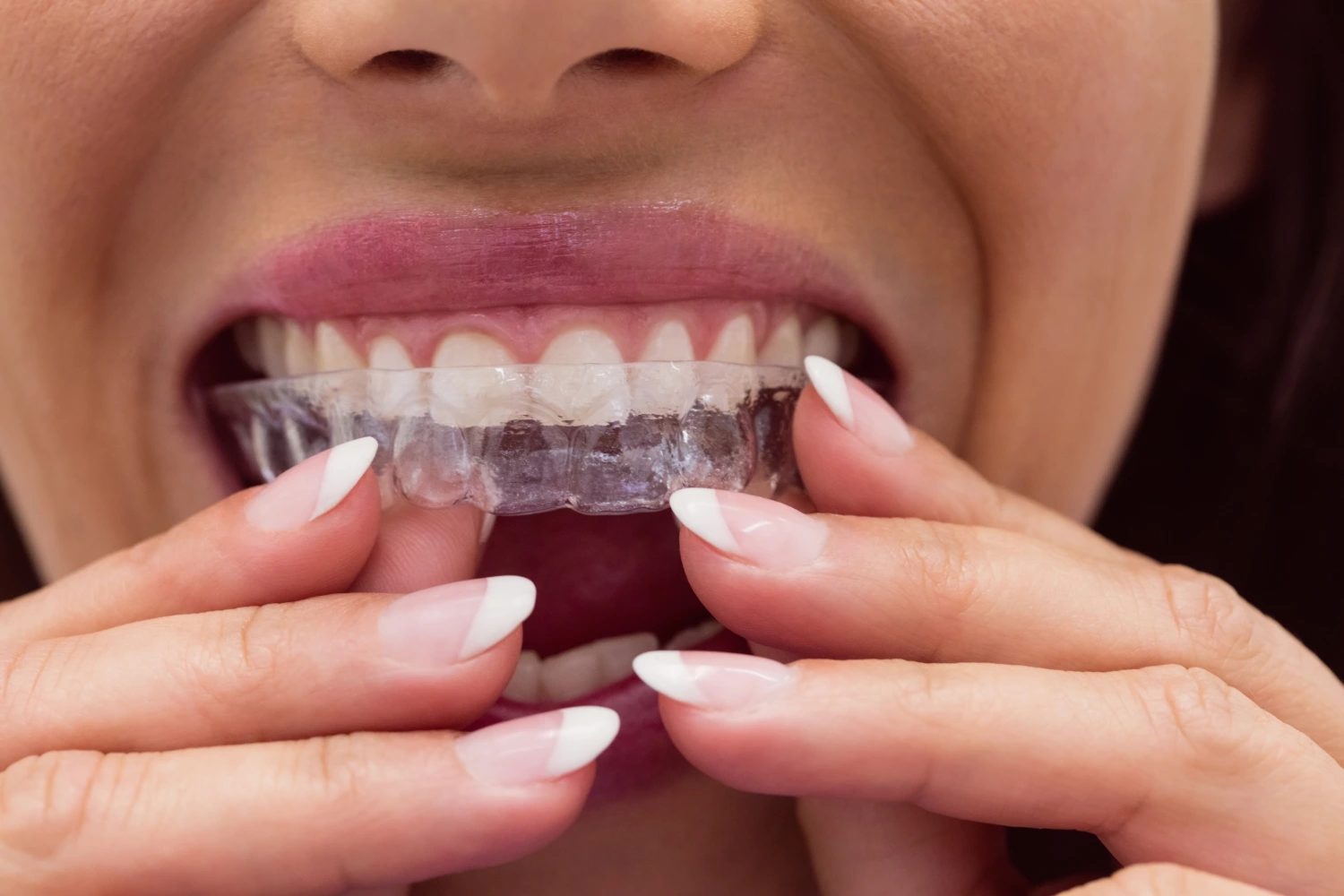
Clear aligners have changed the way many people approach orthodontics. Instead of brackets and wires, you wear a series of transparent trays that gradually shift your teeth. You swap to a new set every one to two weeks, and over time, your teeth move into place.
- How they work: You receive a series of custom-made aligners based on digital scans of your teeth. Each set makes tiny adjustments, which add up to significant movement over several months. Clear aligners work best for mild to moderate alignment issues.
- What they cost: In the UK, Invisalign treatment usually ranges from £1,500 to £5,500, with most moderate cases costing between £2,500 and £4,000. Get your aligners at Zental starting from £1,495.
- Treatment duration: Usually 6 to 18 months for mild to moderate cases. Complex cases may take longer or might not be suitable for aligners at all.
At Zental, we offer both Invisalign and Angel Aligners, giving you options depending on your case and preferences.
Why Do People Choose Clear Aligners?
The appeal is obvious once you try them:
- Nearly invisible when worn
- Removable for eating, drinking, and brushing
- No food restrictions since you take them out to eat
- Easier oral hygiene without brackets getting in the way
- Generally more comfortable than fixed braces
- Fewer emergency appointments since nothing can break or snap
For many adults the lifestyle flexibility is a key factor. You can remove your aligners for a work presentation, a date, or any situation where you'd prefer not to wear them briefly.
What are the Downsides of Clear Aligners?
Clear aligners aren't for everyone:
- Not suitable for severe cases or complex bite issues
- Require serious discipline, you need to wear them 20 to 22 hours daily
- Can be lost or damaged when you take them out
- Attachments (small tooth-coloured bumps) are sometimes needed and can be visible
- Must come out before eating or drinking anything except water
If you're the type to forget things or find the constant removing and replacing tedious, aligners may not be your best choice. The treatment only works if you actually wear them.
What are Self-Ligating Braces (Damon System) and How Do They Work?
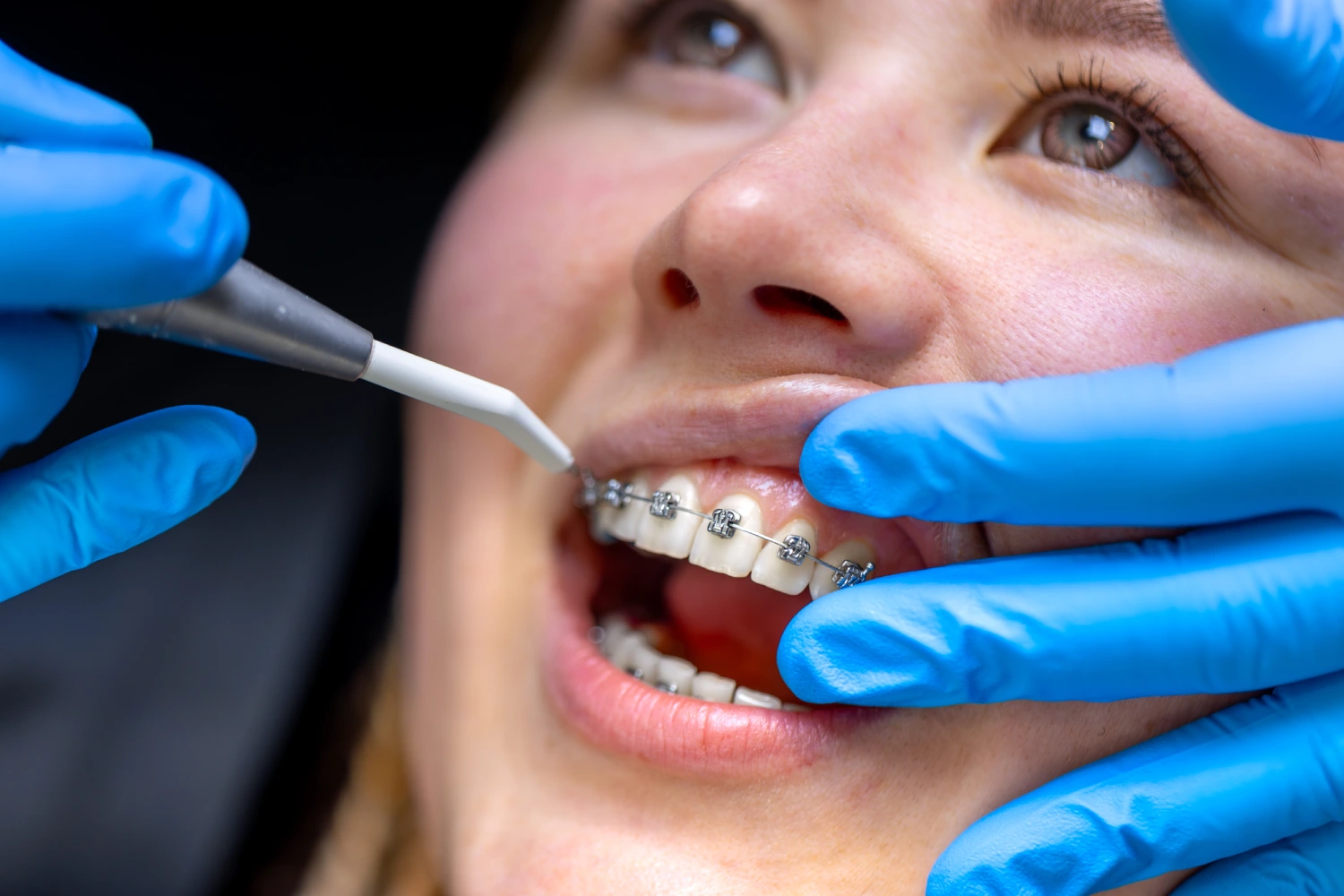
Self-ligating braces look similar to traditional braces but use a built-in clip instead of elastic bands to hold the wire in place. The Damon System is the most well-known example.
- How they work: The clip mechanism reduces friction and allows teeth to move with lighter forces. This can make treatment more comfortable for many patients.
- What they cost: In the UK, self-ligating braces usually range from £2,500 to £6,000, placing them between traditional metal braces and premium options like lingual braces.
- Treatment duration: Treatment is often cited as being up to six months shorter than with traditional braces, although results vary depending on individual cases.
Why Do People Choose Self-Ligating Braces?
Self-ligating braces offer some practical advantages:
- Fewer adjustment appointments needed (every 8 to 10 weeks instead of 4 to 6)
- More comfortable for many patients due to lighter forces
- Easier to clean without elastic bands trapping food
- Less friction during tooth movement
- Available in metal or ceramic versions
For patients with busy schedules, fewer appointments can be a real advantage.
What are the Downsides of Self-Ligating Braces?
There are some caveats:
- Still visible on your teeth (metal or ceramic)
- More expensive than standard metal braces
- Brackets can be slightly larger than some alternatives
- Research on faster treatment times isn't conclusive for all cases
Self-ligating braces are a strong option for anyone who wants the reliability of fixed braces, with the potential for fewer visits and greater comfort.
What Other Orthodontic Options are Available for Straightening Your Teeth?
Beyond the main types of braces, a few additional options are worth mentioning.
Inman Aligner
The Inman Aligner is a removable appliance designed specifically for straightening front teeth. It’s not intended for full orthodontic treatment, but for minor corrections, it can work very quickly.
- Treatment time: Typically 6 to 16 weeks
- Best for: Minor crowding or spacing of front teeth
- Cost: More affordable than full braces for small corrections. You can get Inman Aligners at any of our UK clinics. Our prices start at £1,895.
If your front teeth are slightly crooked but your bite is fine, the Inman Aligner may be a good option to explore.
Retainers: The Often-Forgotten Essential
Many people forget about retainers until treatment ends, but they are vital for keeping your teeth in their new positions. Without them, teeth can drift back over time.
- Fixed retainers: A thin wire bonded behind your teeth
- Removable retainers: Clear trays are typically worn at night
- Cost: Usually £150 to £500. At Zental, retainers are available starting from £1,895.
Most orthodontists recommend wearing removable retainers full-time at first, then switching to nights only (sometimes for life). It may seem like a long-term commitment, but it’s much easier than repeating orthodontic treatment later.
How to Choose the Right Type of Braces for Straightening Your Teeth
With so many options, how do you decide which is right for you? Start by thinking about a few key factors.
- Budget: If cost is your main concern, traditional metal braces offer the best value. Clear aligners and ceramic braces are in the middle range, while lingual braces tend to be the most expensive.
- Appearance: If you want something invisible, lingual braces or clear aligners are the best choices. Ceramic braces provide a compromise for fixed braces that are less noticeable.
- Complexity of your case: Severe crowding, significant bite issues, or rotated teeth may require the strength of fixed braces. Mild to moderate cases often respond well to aligners.
- Lifestyle: Consider how braces will fit with your daily life. Do you play contact sports? Fixed braces could present challenges. Do you perform or speak in public? Invisible options may be preferable. Travel frequently for work? Self-ligating braces can reduce the number of appointments needed.
- Discipline level: Be honest about your routine. Clear aligners only work if worn consistently. If you think you might forget or find the process inconvenient, fixed braces that work automatically may be a better fit.
- Treatment duration: If you want results quickly, some options, like the Inman Aligner for minor adjustments, work fast. More complex treatments with any type of braces naturally take longer.
How to Move Forward?
Modern orthodontics offers options for almost everyone. Whether you want traditional metal braces, nearly invisible lingual braces, clear aligners, or ceramic braces, there is a solution to suit your needs. The key is choosing what fits your situation, budget, lifestyle, and goals.
The most important step? A proper consultation. At Zental, we care deeply about our patients who have entrusted their oral health to us. We realize that every case is different, and what works brilliantly for one person might not suit another at all. That is why our orthodontists will assess each case thoroughly and, with the patient, find the best options.
At Zental, our orthodontic specialists see patients across Earls Court, Knightsbridge, Cricklewood, Bexleyheat, Barnet, and Milton Keynes. We take a calm, patient-focused approach, listening to what you want and explaining your options clearly.
If you are ready to find the braces that are right for you, book a consultation with our team. We will assess your teeth, discuss your preferences, and help you understand exactly what is possible.
FAQ
Do braces hurt when they are fitted?
You should not feel pain during fitting, but some soreness or pressure is normal for a few days afterwards. This usually settles as your teeth start to move. Over-the-counter pain relief helps during the adjustment period.
How often will I need orthodontic appointments?
Most brace types require check-ups every 6 to 8 weeks. Some systems may need fewer visits, while others require more regular monitoring depending on how your teeth respond to treatment.
Can I eat normally with braces?
You can eat most foods, but some care is needed. Very hard, sticky, or chewy foods can damage braces. It is best to cut your food into smaller pieces prevent breakages.
What happens if a bracket or wire breaks?
This is common and not an emergency. You should contact your orthodontist to arrange a repair appointment. Leaving broken braces for too long can slow down treatment.
Are braces suitable for adults with crowns or veneers?
Yes, in many cases. Your orthodontist will assess your existing dental work and recommend the safest options. Some brace types may be more suitable than others depending on your teeth.
Will braces affect my speech?
Some people notice slight changes in speech at first, especially with lingual braces or aligners. This usually improves within a few days as your mouth adapts.
How do I keep my teeth clean with braces?
Oral hygiene is very important during treatment. You will need to brush more carefully, often using interdental brushes or a water flosser to clean around brackets and wires.
What happens after braces are removed?
You will need to wear a retainer to keep your teeth in their new position. Retainers are essential and usually worn at night long-term to prevent teeth from shifting back.
Can braces fix jaw problems or facial asymmetry?
Braces can improve bite alignment and tooth positioning, which may improve facial balance. More complex jaw issues may require additional treatment, which your orthodontist will discuss if relevant.
Is orthodontic treatment purely cosmetic?
No. While straighter teeth look good, braces also improve bite function, make teeth easier to clean, and can help prevent long term dental problems.


